Locksmith in Aurora, OntarioA tidy locksmithfor tidy homes in Aurora
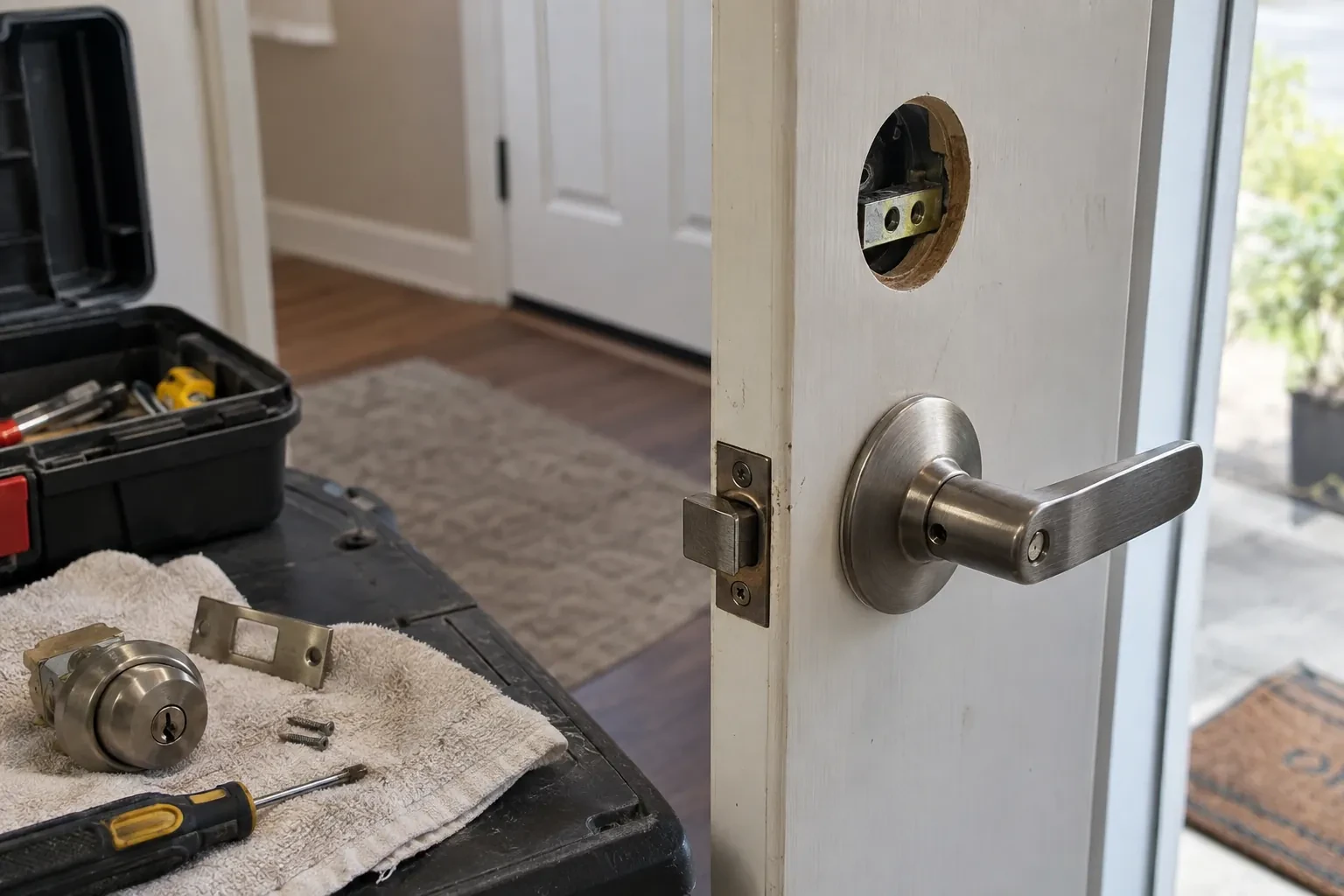
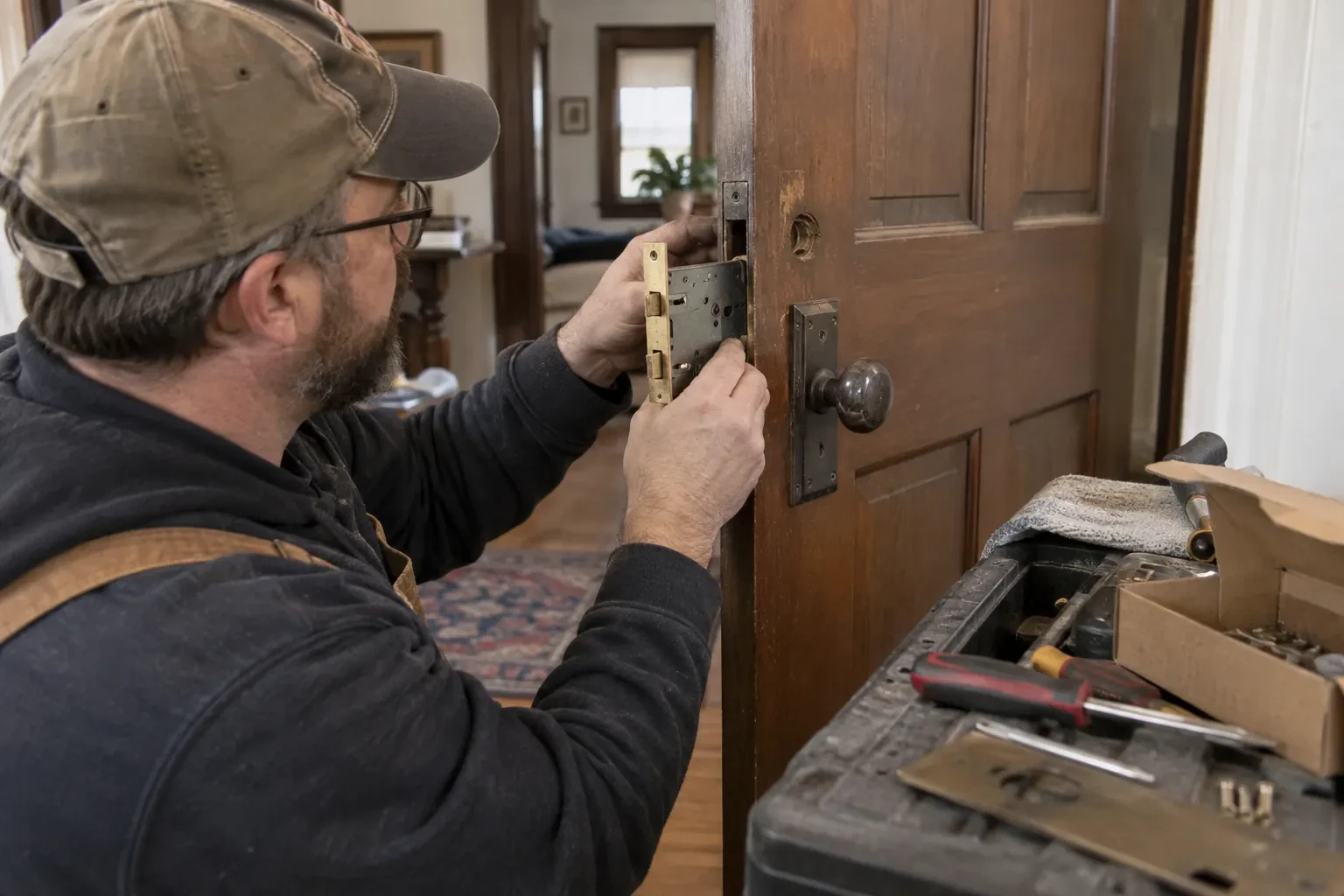
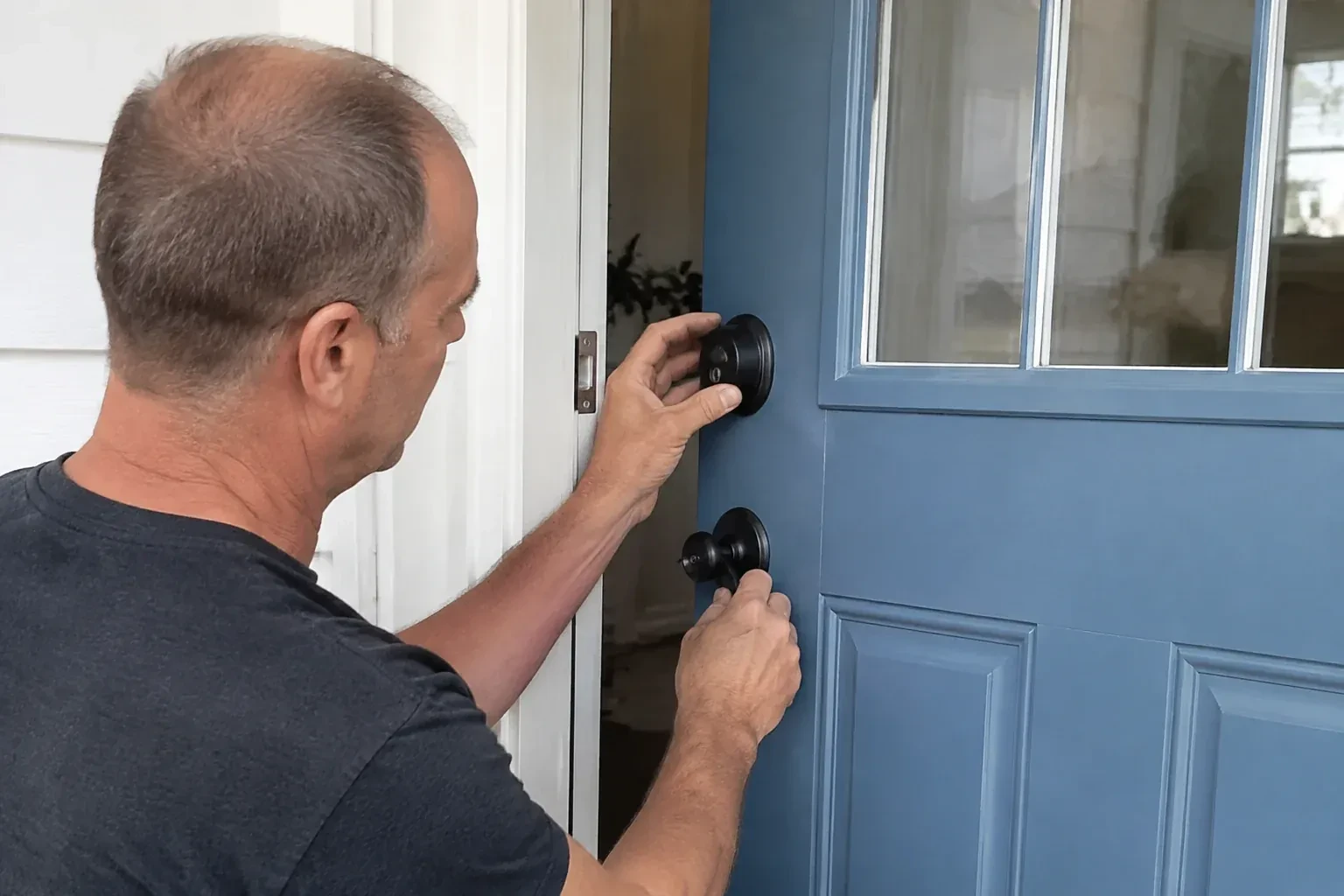
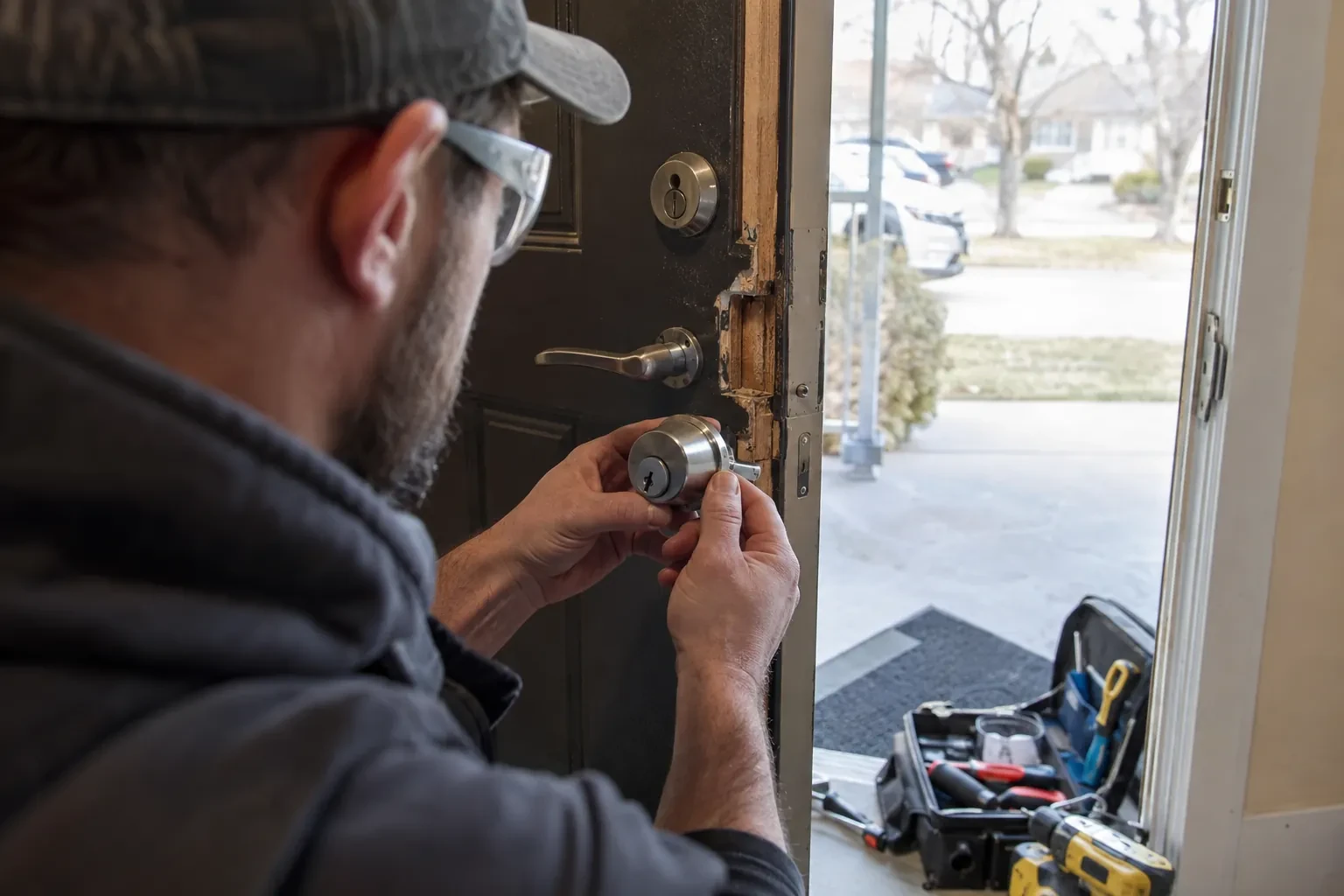
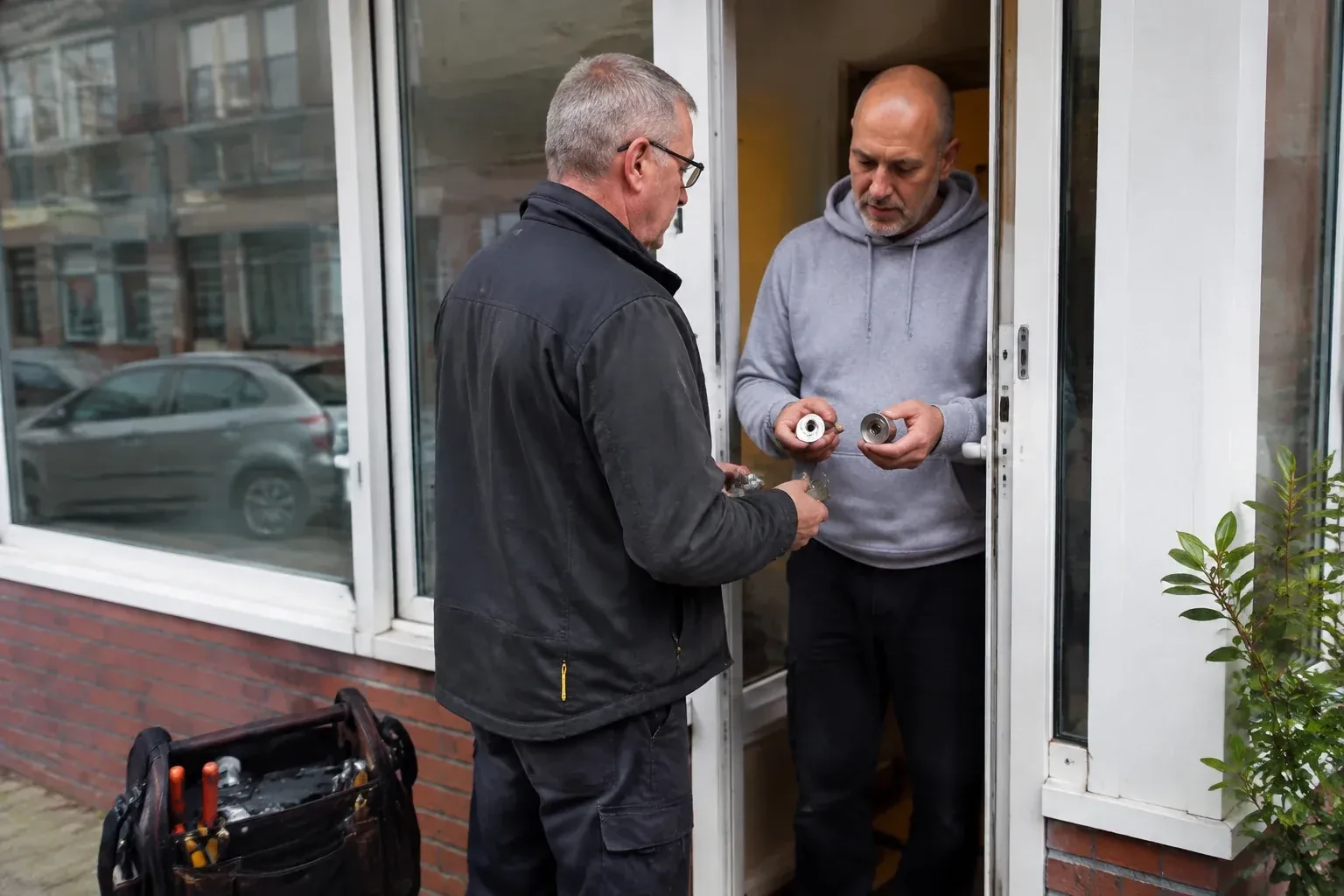
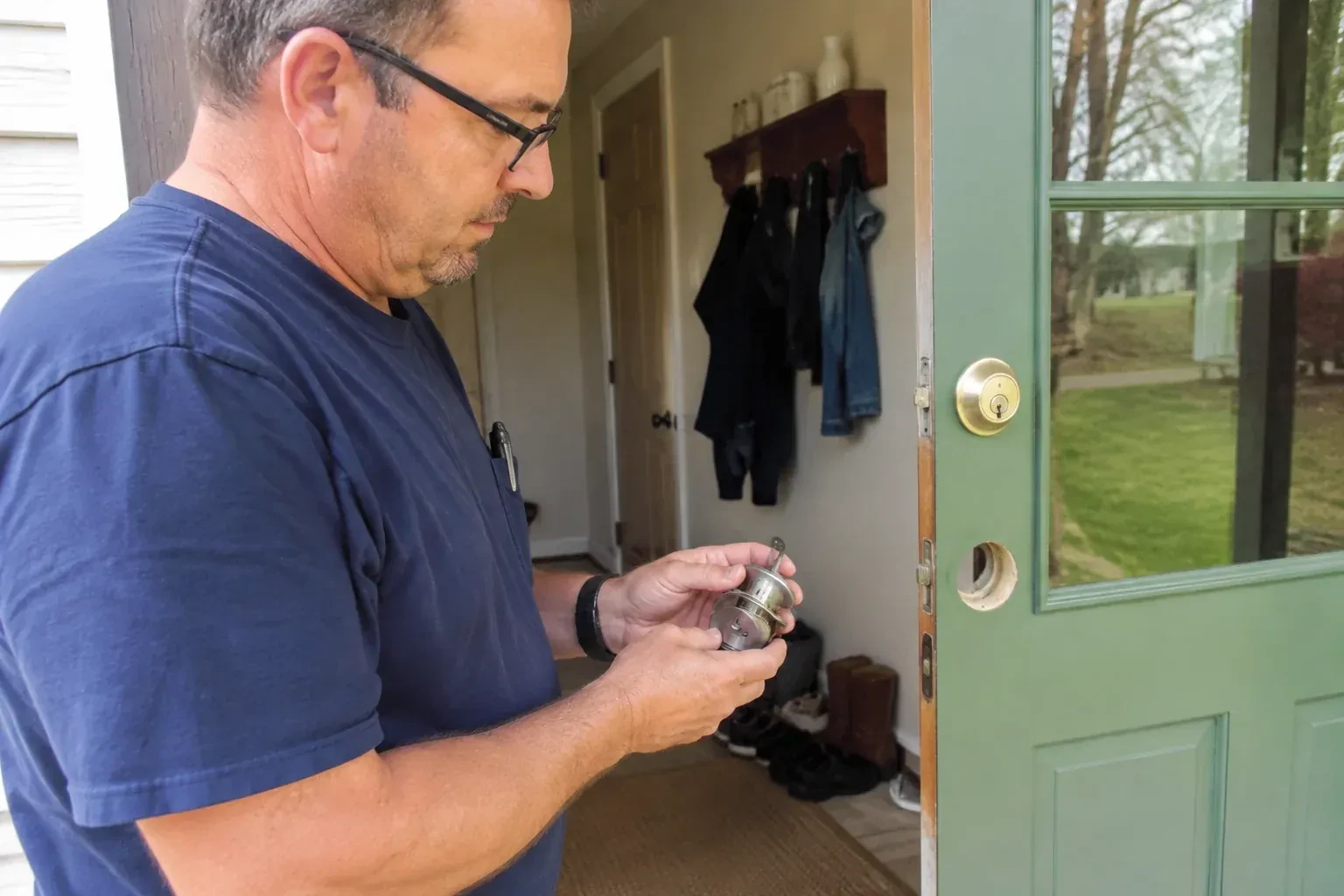
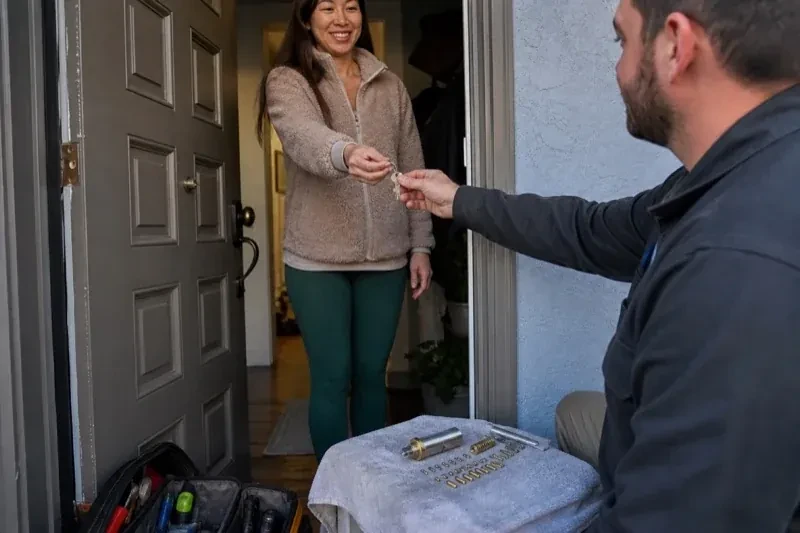
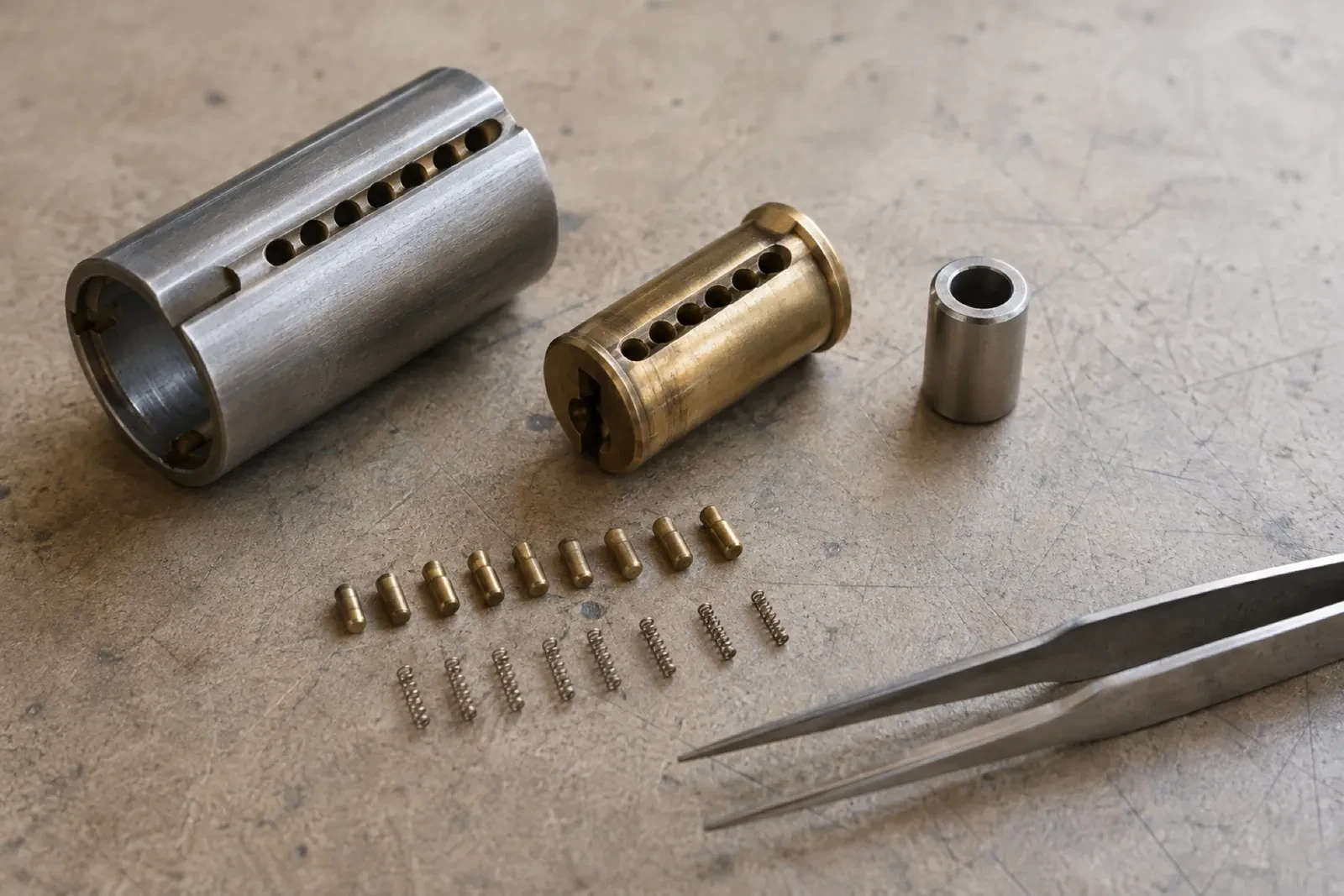
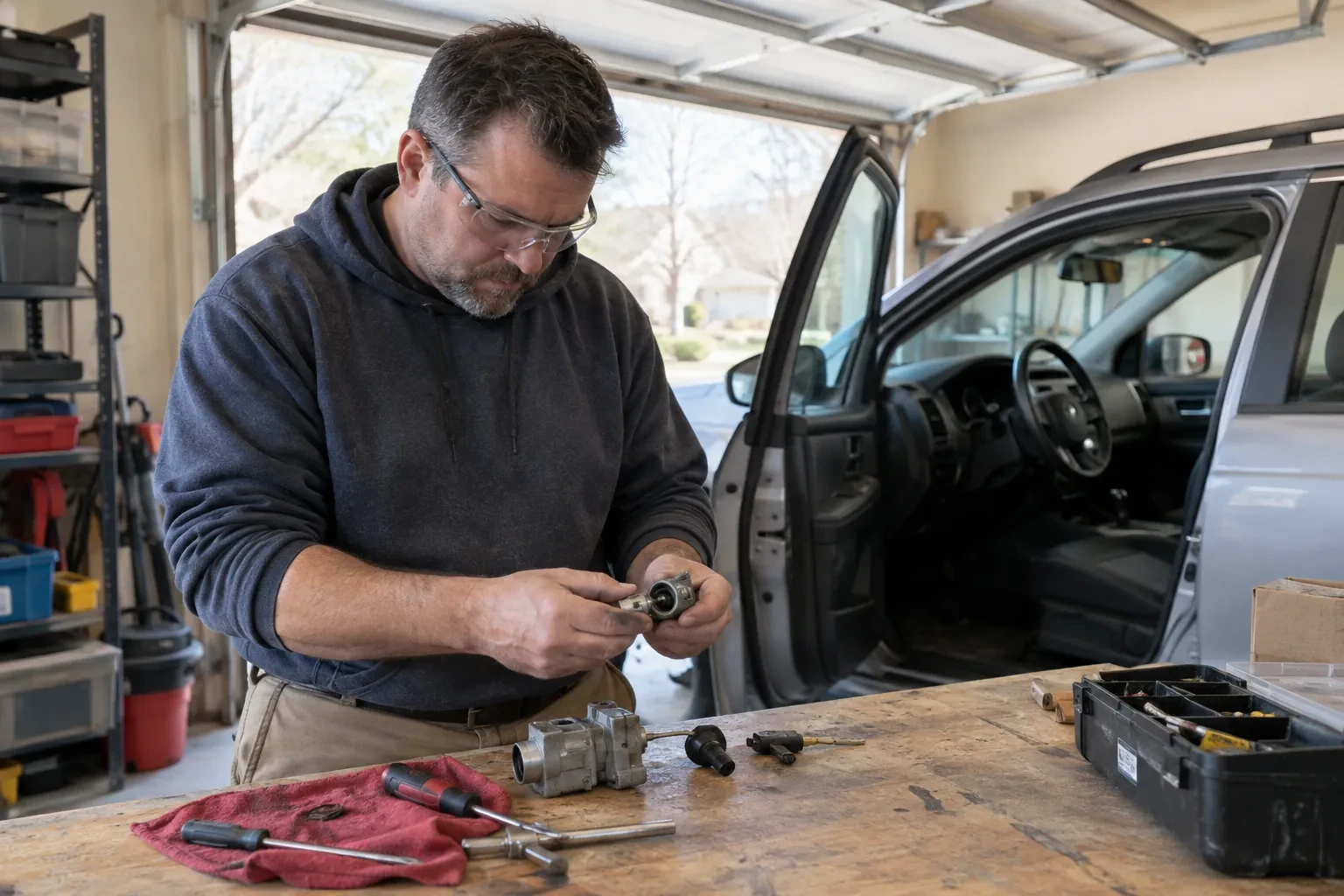
Lock work makes brass shavings, sawdust and small screws that roll under furniture. We put a drop sheet down, catch the mess, and vacuum before we go. Homeowners in Aurora should be able to tell we were there only by the way the door now locks, not by anything left behind.
Lock work makes brass shavings, sawdust and small screws that roll under furniture. We put a drop sheet down, catch the mess, and vacuum before we go. Homeowners in Aurora should be able to tell we were there only by the way the door now locks, not by anything left behind.
Because a door should simply work.
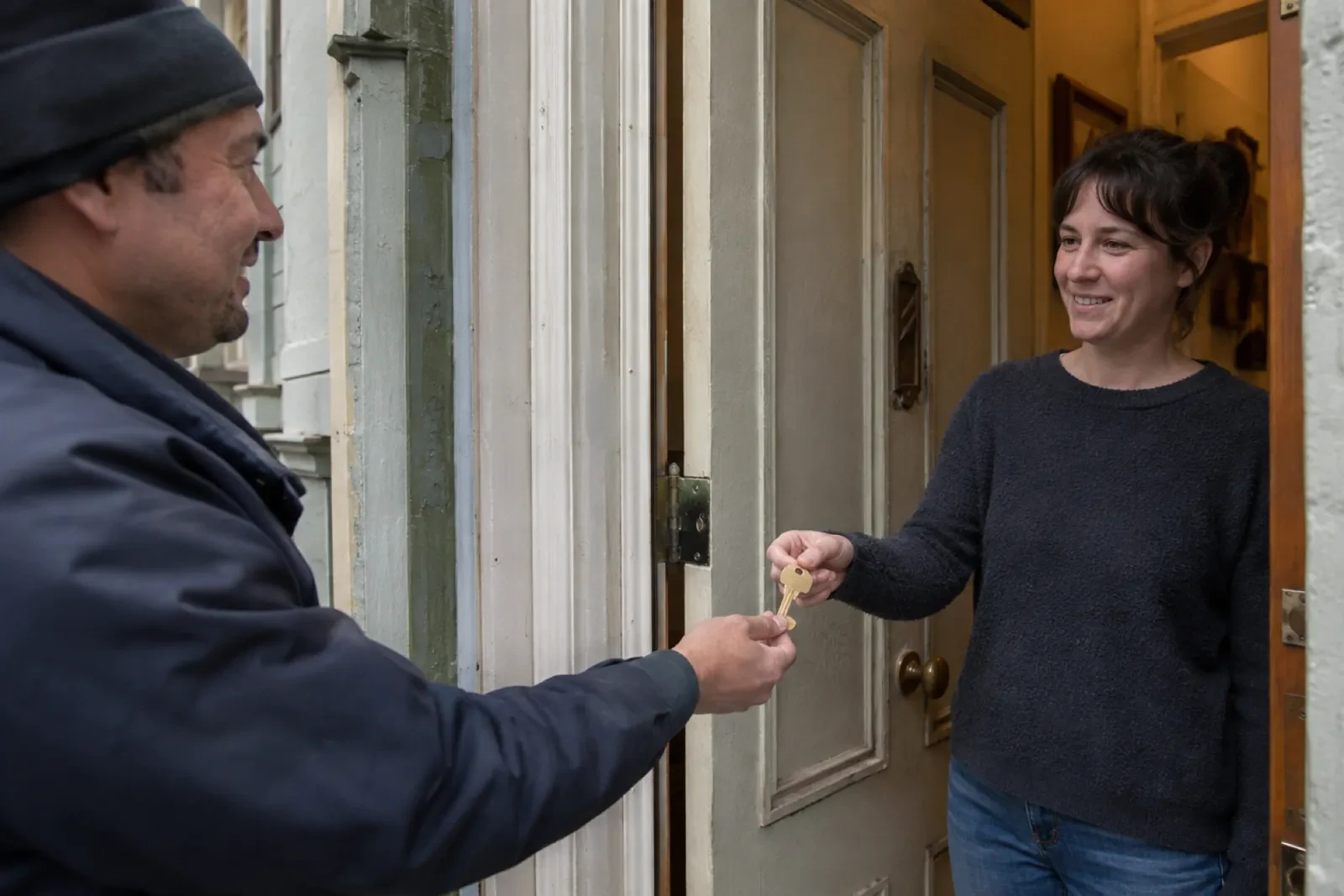
Landlords and property managers in Aurora get a partner who understands turnover. We rekey between tenants, keep the unit keys under one master so you carry a single ring, fit hardware that survives heavy use, and note what was done on each door. When a tenant loses a key at an awkward hour, we already know the building.
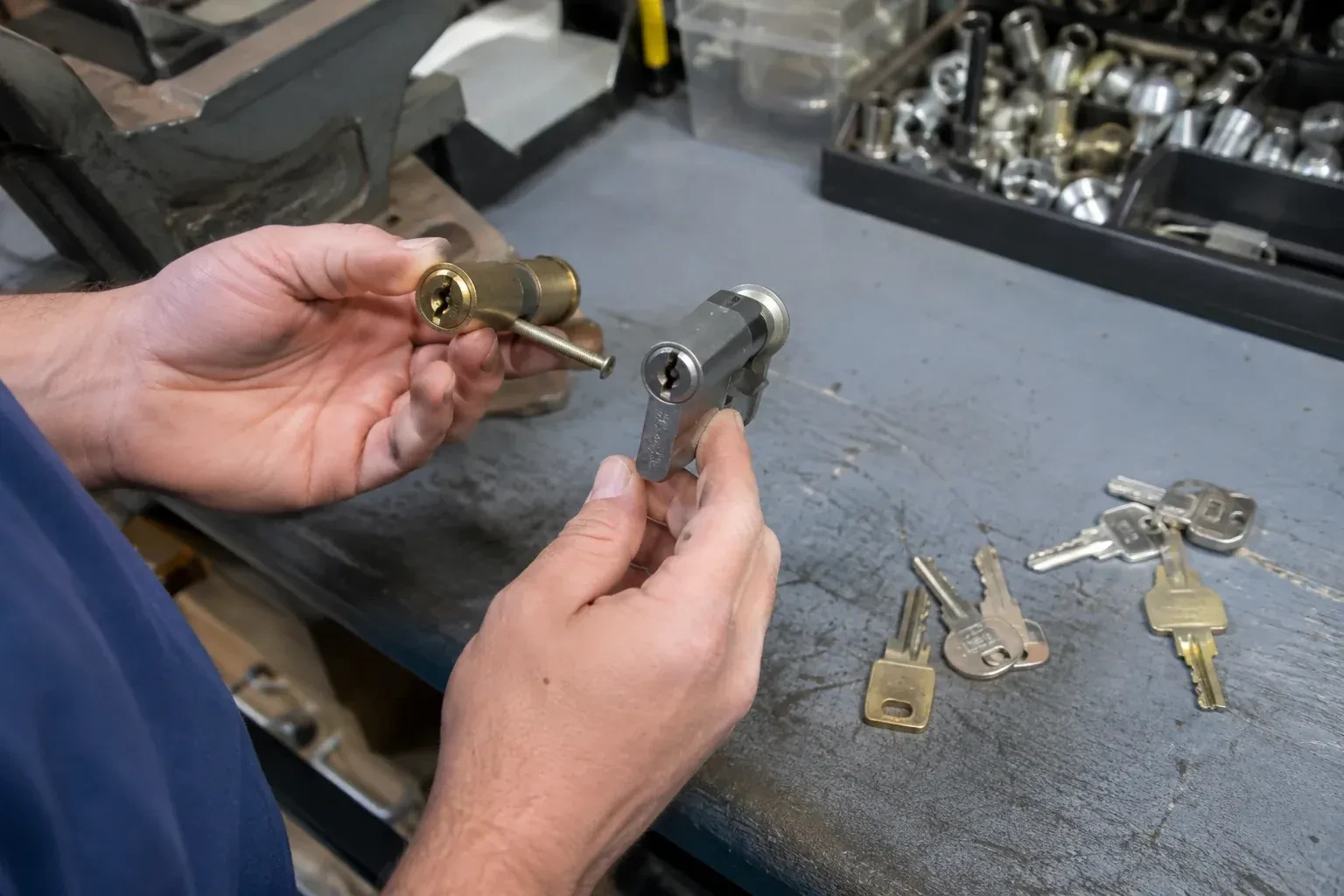
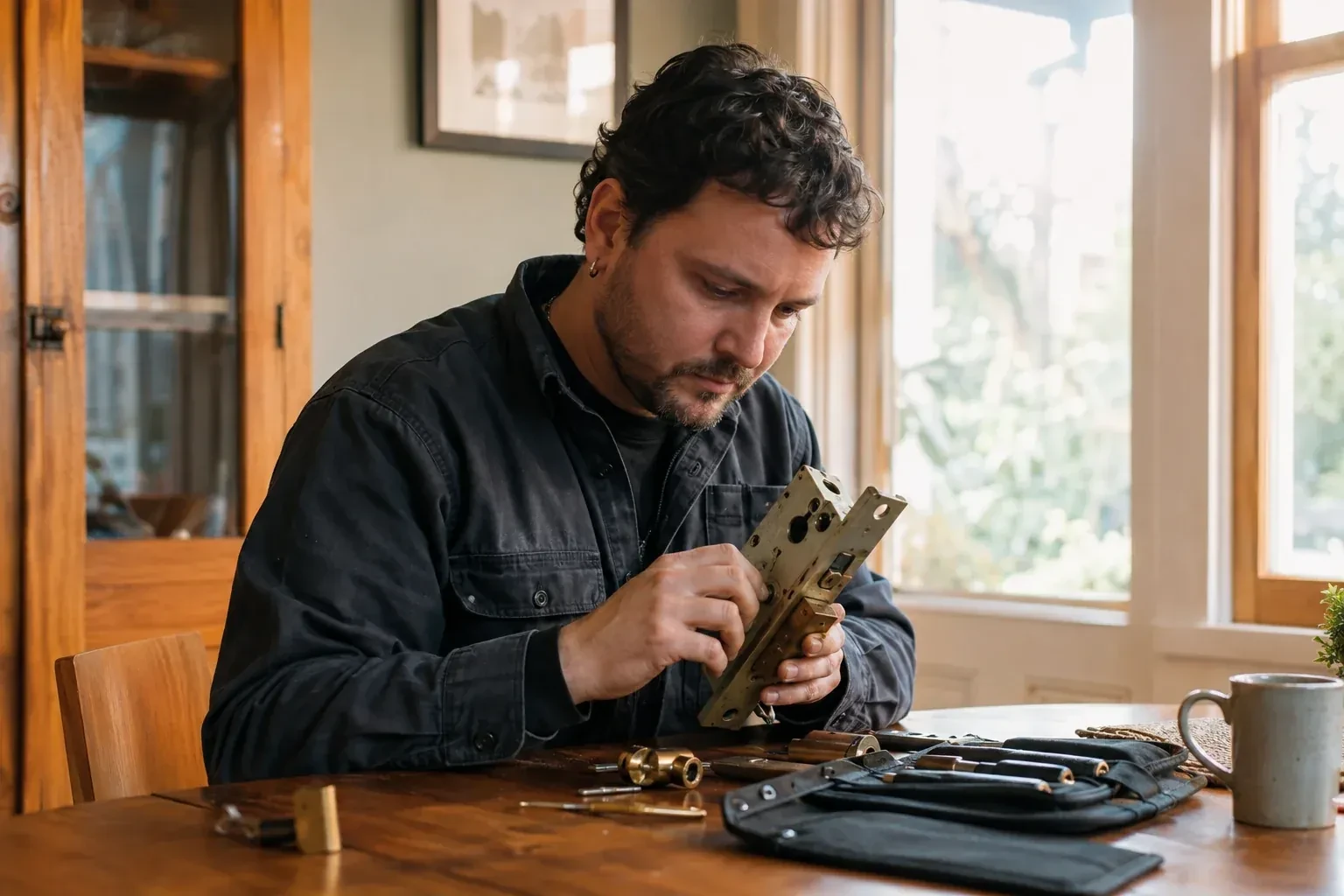
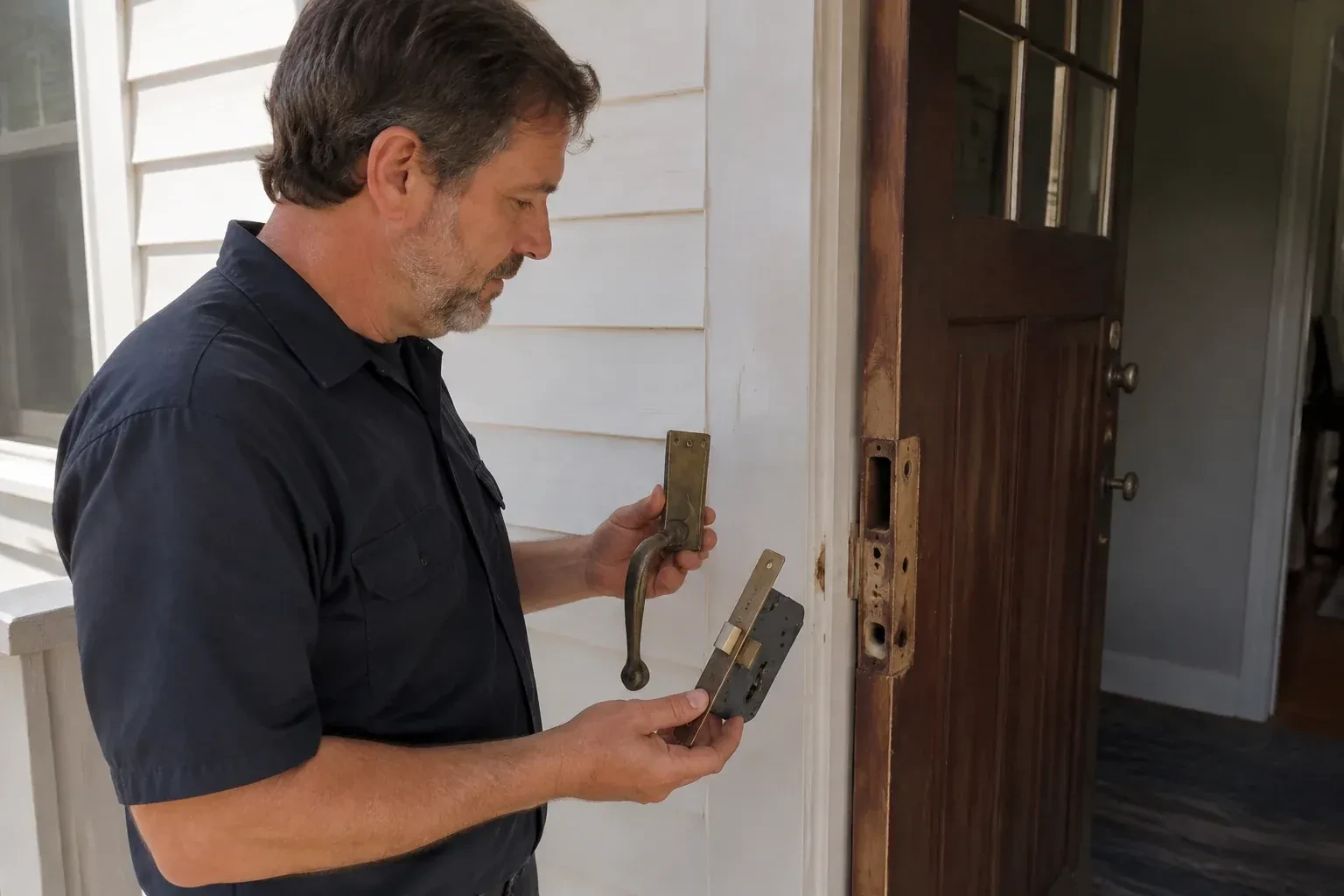
Locksmith service in Aurora covers the whole range of doors we see anywhere: front entrances on family homes, back doors on shops, car doors in the commuter lot. We arrive with the parts the local housing tends to need, confirm the property or vehicle is yours, and explain the work before starting. Rekeys, lock changes, lockouts and car keys are all part of a normal day here.
24years in business
24/7open every day
You know what is happening. From the first look to the last turn of the key, we narrate the job in plain terms. You should never wonder what we are doing to your door.
Suggestions, not pressure. If we think an upgrade would help, we say so once and explain why. If you decline, that is the end of it.
The old parts handled. Removed locks and keys are given to you or taken away as you prefer. Old keys that no longer work are worth destroying, and we will do that if you like.
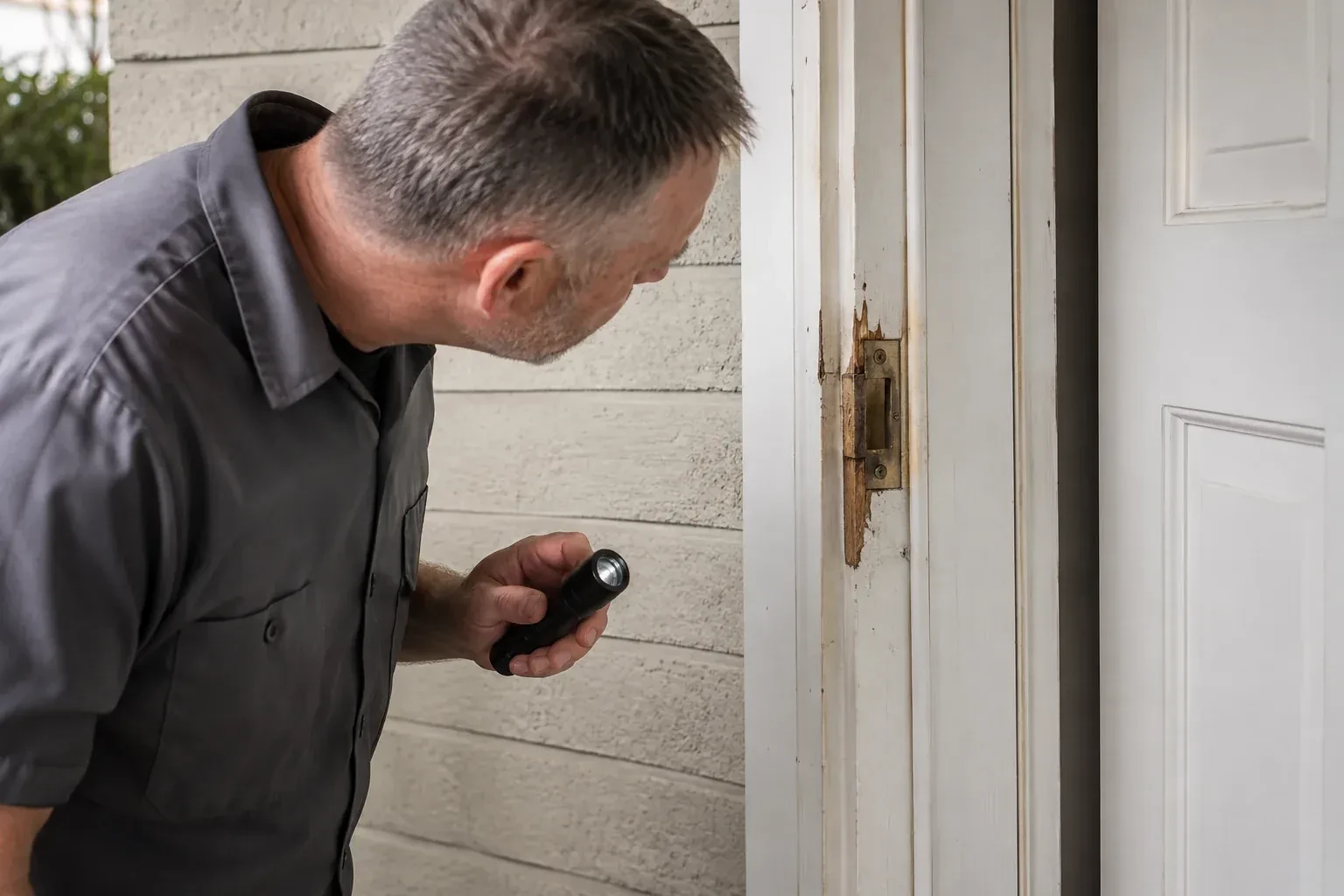
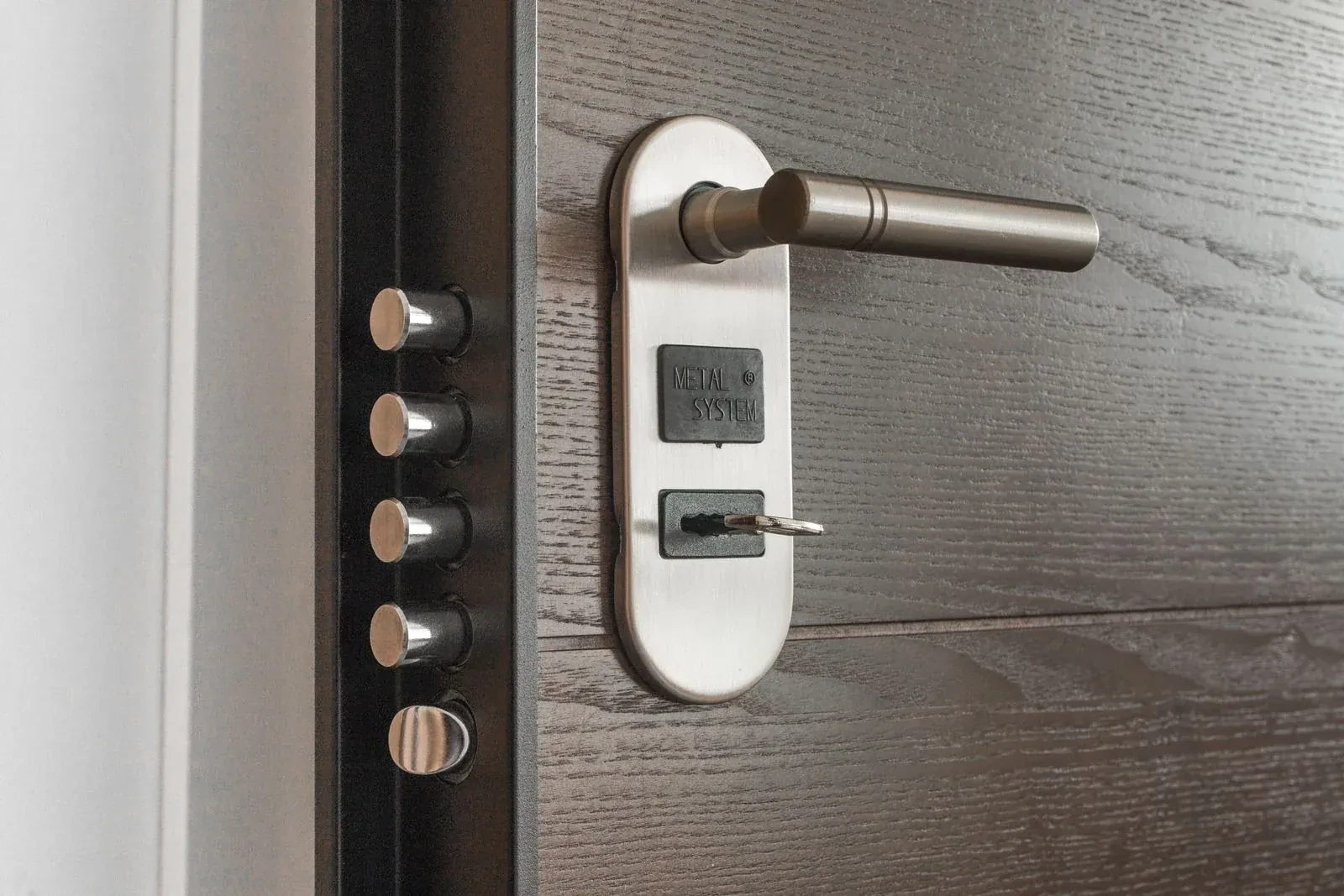
A door in Aurora has more parts than most people think: the cylinder, the latch, the deadbolt, the strike, the closer, the hinges and the frame around them all. The services listed here touch every one of those parts, from a straightforward rekey to a full storefront hardware overhaul.
About 22% of homes in Aurora were built in 1980 or earlier, according to the 2021 Census.
Newer homes
Where housing is new, garage entries, side doors and the front door were usually fitted at the same time but not always to the same key. Keying them alike is a small job that makes the household's ring simpler from the start.
Single-detached houses make up about 60% of homes in Aurora (2021 Census).
Mostly houses
Where the housing is mostly single houses, the door into the house from an attached garage is easy to overlook because it feels indoors. It is still an exterior door, and a proper deadbolt there is a sensible, low-fuss upgrade.
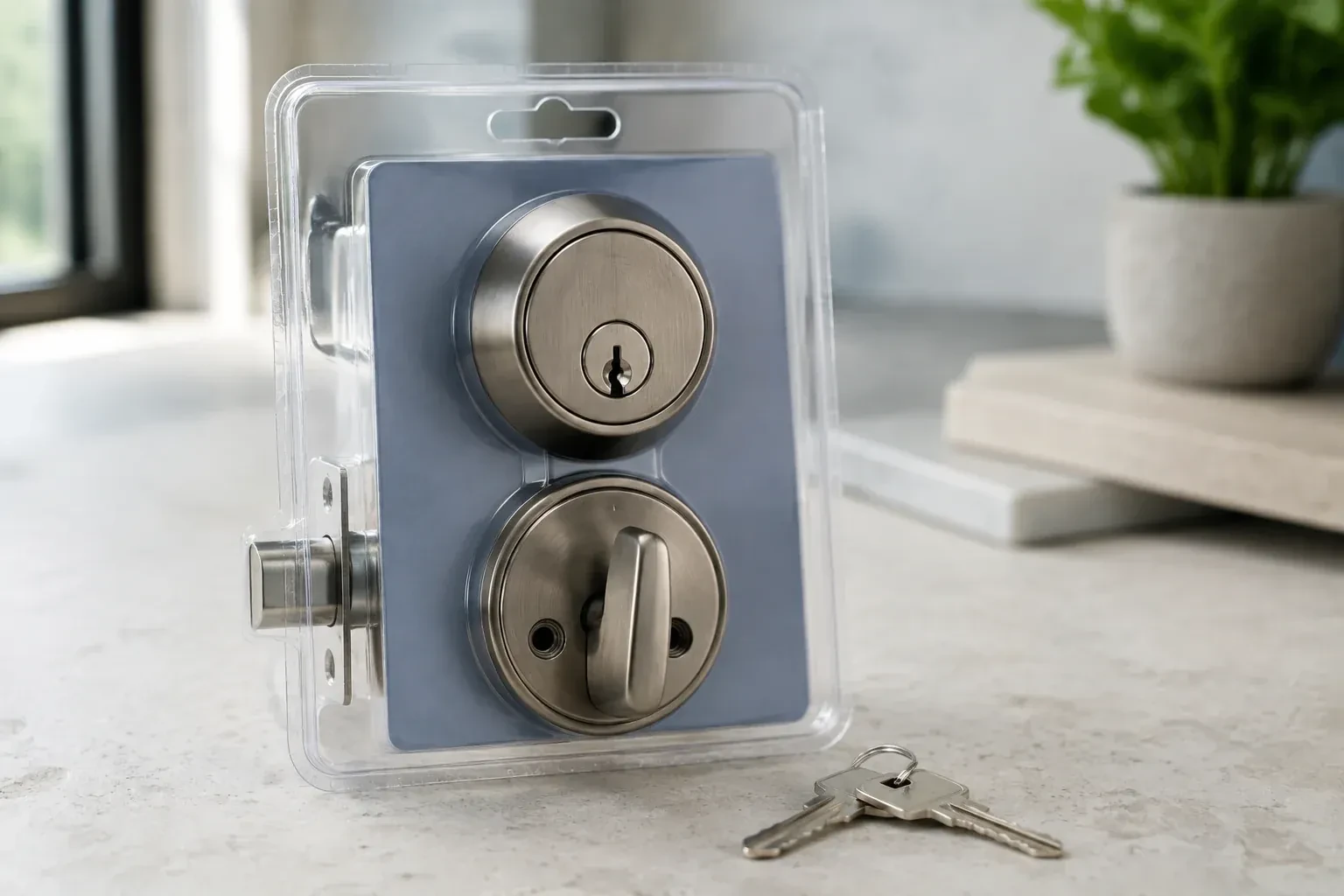
You bought a keypad deadbolt online and pulled the old one off, only to find the hole in the door is a different size and the bolt latch sits at a backset the new kit does not list. The door is now open and the box is on the counter.
The keys the seller handed over came in a sandwich bag: six unlabelled copies for two locks of different makes from different decades. You have no idea how many more copies exist or who is holding them.
Arthritis has made the small house key hard to grip and turn, especially with gloves on in January. Pressing a few buttons, or tapping a fob against the lock, would make coming home in winter far easier.
You run a home office with client files and equipment, and your insurer has asked what kind of lock is on the door. The honest answer is the builder's knob lock and a light deadbolt from when the house was new.
On the warehouse floor, a shift supervisor's key opens the loading dock, the tool crib and the manager's office, though only the dock is really part of the job. Nobody planned it that way; the key was simply copied from whichever one was closest at hand.
The fire inspector's note is blunt: the banquet hall's second exit still turns on a deadbolt, and the crowd it is rated to hold needs a door that opens under one motion, no key involved.
The electric strike buzzes the moment the receptionist presses the release button, but the door still needs a shoulder to get past the latch, as though the two pieces were never matched.
Turning the key used to take one smooth motion. Lately it grinds partway through, sometimes needing a second attempt, and yesterday it stopped reaching start altogether. The key itself looks the same as always; something inside the ignition has changed instead.
Since the last heavy rain, the front passenger door has needed two or three tries before the key catches, and moisture seems to sit along the seal right where the lock is mounted. Every other door still opens on the first attempt.
The new manager took over the shop last month and only now needs the back-office safe open, but the combination the previous owner was supposed to leave in writing never turned up anywhere in the handover file.
A dinner service ends with a stack of bills and a handful of credit slips, and right now they sit in an unlocked cash box on a shelf until morning, because nobody has gotten around to anything sturdier.
Which fix fits?
You bought a keypad deadbolt online and pulled the old one off, only to find the hole in the door is a different size and the bolt latch sits at a backset the new kit does not list.
WhyA high security cylinder is rated by independent laboratory testing that times how long it holds out against picking, impressioning, drilling, prying and wrenching.
On the warehouse floor, a shift supervisor's key opens the loading dock, the tool crib and the manager's office, though only the dock is really part of the job.
WhyA master key hierarchy usually has three layers.
The fire inspector's note is blunt: the banquet hall's second exit still turns on a deadbolt, and the crowd it is rated to hold needs a door that opens under one motion, no key involved.
WhyA pair of doors is its own small project, and not every pair needs the same approach.
The electric strike buzzes the moment the receptionist presses the release button, but the door still needs a shoulder to get past the latch, as though the two pieces were never matched.
WhyCommercial-grade lock replacement swaps hardware that is worn, damaged, mismatched or simply not rated for a business door with hardware built for that duty: a mortise lock body, a heavy cylindrical lockset, or a narrow-stile lock or hookbolt for an aluminum storefront door.
WhyMost ignition lock work happens where the vehicle already is, a driveway, a parking lot, a curb, rather than requiring a tow to a shop first.
Since the last heavy rain, the front passenger door has needed two or three tries before the key catches, and moisture seems to sit along the seal right where the lock is mounted.
WhySome vehicle lock faults are entirely mechanical, a cylinder worn from years of use, a linkage rod that slipped off its clip, while others sit in the electrical side: a tired actuator motor, a corroded connector, or a coin battery inside the key fob that has finally run flat.
How a visit goes
Describe the property, the hardware and what has changed, and the visit starts from what you have seen.
1
2
3
01
Walking the building together
We visit each door on the plan and talk about who uses it, how often and at what hours. Wiring routes and power are checked at the same time.
02
Installing readers and locks
Readers, electric strikes or maglocks and the controller go in with cables hidden where the building allows. Every door is tested for release and re-locking.
03
Setting up users and handover
We add the first users, show your administrator how to add and remove people, and leave written notes so the system is yours to run.
How do I look after a deadbolt once it is installed?
Very little is needed. Each spring and autumn, lock the door from inside and feel whether the bolt still goes home without the door being pulled; if it hesitates, the door has moved with the season and a small strike adjustment restores it. Whatever lubricant the lock's own maker specifies keeps it smooth, often a dry PTFE or graphite type in the keyway and along the bolt, though some cylinders are meant to be serviced with oil. In winter, wipe road salt off the outside trim to protect the finish.
Do I have to prove I own the home before you change a lock?
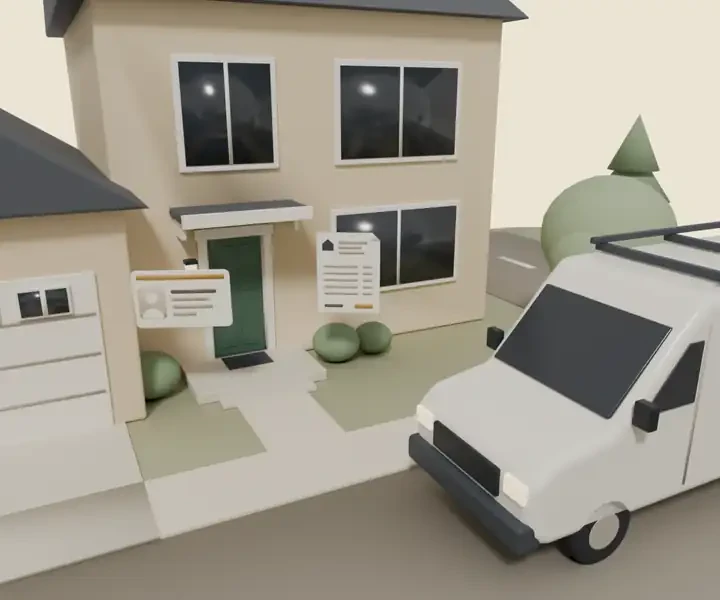
The locksmith will ask, and it is a sign of a careful trade. Photo identification with the address, a deed or property tax notice, or a mortgage or insurance document is plenty for an owner. Tenants show a lease and the landlord's consent; landlords show ownership and confirm the tenant will receive keys. It is a short step that protects everyone with a right to that door.
Can someone hack a smart lock?
Reputable models encrypt what passes between the lock, the phone and the maker's servers, and the ordinary risks are more mundane: a code shared too widely, a default code never changed, or an account with a weak password. The installation addresses those directly by deleting factory codes, giving each person their own, and setting up your account with a strong password and two-step sign-in where offered. Firmware updates from the app close gaps as they are found, so accept them.
Are high security locks only for businesses?
Not at all. Homes are the most common place they are fitted, especially after a move, a break-in nearby, or the realisation that too many keys have been handed out over the years. A graded deadbolt with a patented cylinder and a reinforced strike is a modest, quiet upgrade for a front or side door. Businesses tend to go further, with laboratory-rated cylinders, heavy lock bodies and a documented key system across many doors.
Who should hold the top-level master key?
As few people as the business can genuinely operate with. Every additional holder is another way a full-access key can be lost, borrowed or copied without anyone deciding that should happen. A useful test during design is asking, for each proposed holder, whether they need to open every single door on the property or only a defined group; the second answer usually points to a sub-master instead.
Can a padlock or extra deadbolt stay on a door that has this hardware?
No additional fastening should stay on an exit door that does not release the same way the primary device does. A hasp, padlock or separate deadbolt added at some point for extra security is a common finding on an older door, and removing or replacing it with something that releases under the same push is part of bringing that opening back to a single, reliable exit.
How does this service differ from a home lockout or residential rekey?
A home lockout or residential rekey is usually about one door and one household's keys. Commercial-grade lock replacement more often involves a system, several doors, a master key structure, and sometimes a fire or exit rule the door has to satisfy, so the assessment, the hardware selected and the record kept at the end are all built around managing that wider structure rather than a single lock.
What if the key won't go into the slot at all?
That points toward the barrel itself, debris packed into the keyway, or a key that has bent or worn out of shape rather than a deeper electronic problem. The keyway is checked and cleared first, the key is compared against a spare if one exists, and the barrel is serviced or replaced depending on what that first check turns up.
Is a mismatched key the same problem as a broken lock?
Not always. A key cut for a different vehicle, or an old worn copy, can feel exactly like a failing cylinder from the driver's seat. Testing a fresh key against the existing lock is one of the first checks, since it sometimes resolves what looked like a hardware fault.
Request a visit
Landlords and property managers in Aurora get a partner who understands turnover. We rekey between tenants, keep the unit keys under one master so you carry a single ring, fit hardware that survives heavy use, and note what was done on each door. When a tenant loses a key at an awkward hour, we already know the building.