Change or rekey · Aurora
Lock Rekeying
Every copy of your house key seems to work a little differently.
In plain words
One key for the whole house is a common request and usually achievable. Cylinders that share the same keyway, the shaped channel the key slides into, can all be pinned to the same new combination, so the front door, back door and garage entry answer to a single key. Where a door carries a lock from a different family with its own keyway, that cylinder is swapped for a matching one rather than repinned, and then it joins the group. The locksmith checks each lock face before the work begins so you know exactly which doors will share the key.
How the visit goesThe whole key ring went missing somewhere between the grocery store and the bus. You got back in with the spare, but a set of keys is out there, and you would sleep better knowing they open nothing.
Inside the lock
What a rekey changes
01
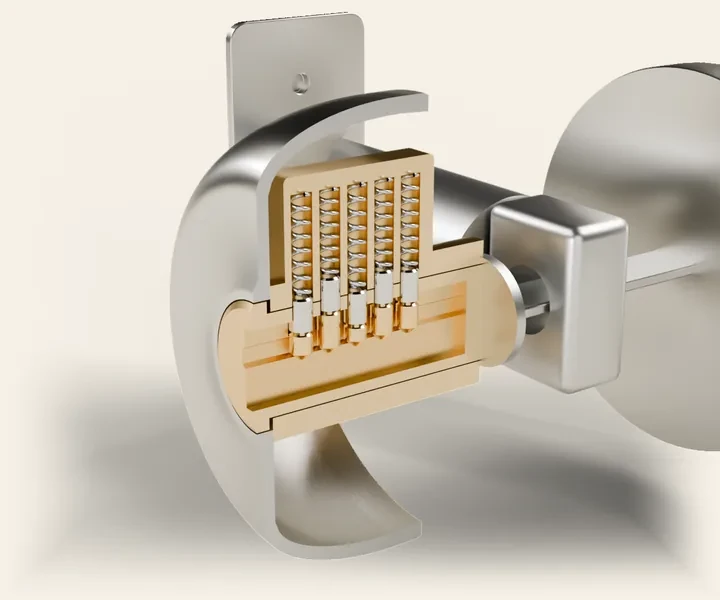
The lock you already have
02
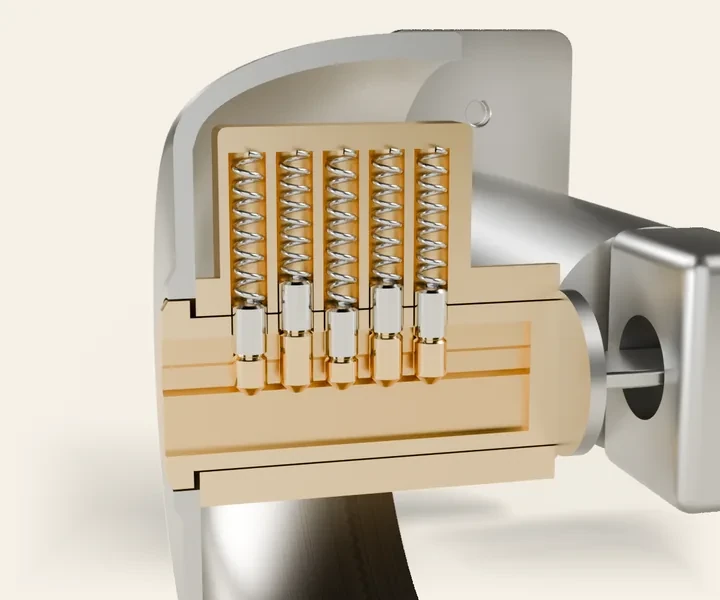
Inside the cylinder
03
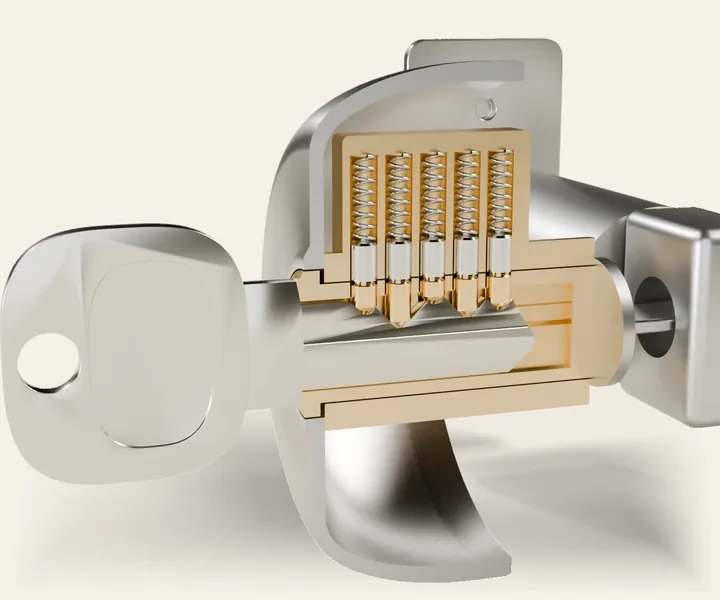
Pins, springs and the shear line
04
A new key, new pins
Lock Rekeying
How the visit goes
Walking every door that should be included
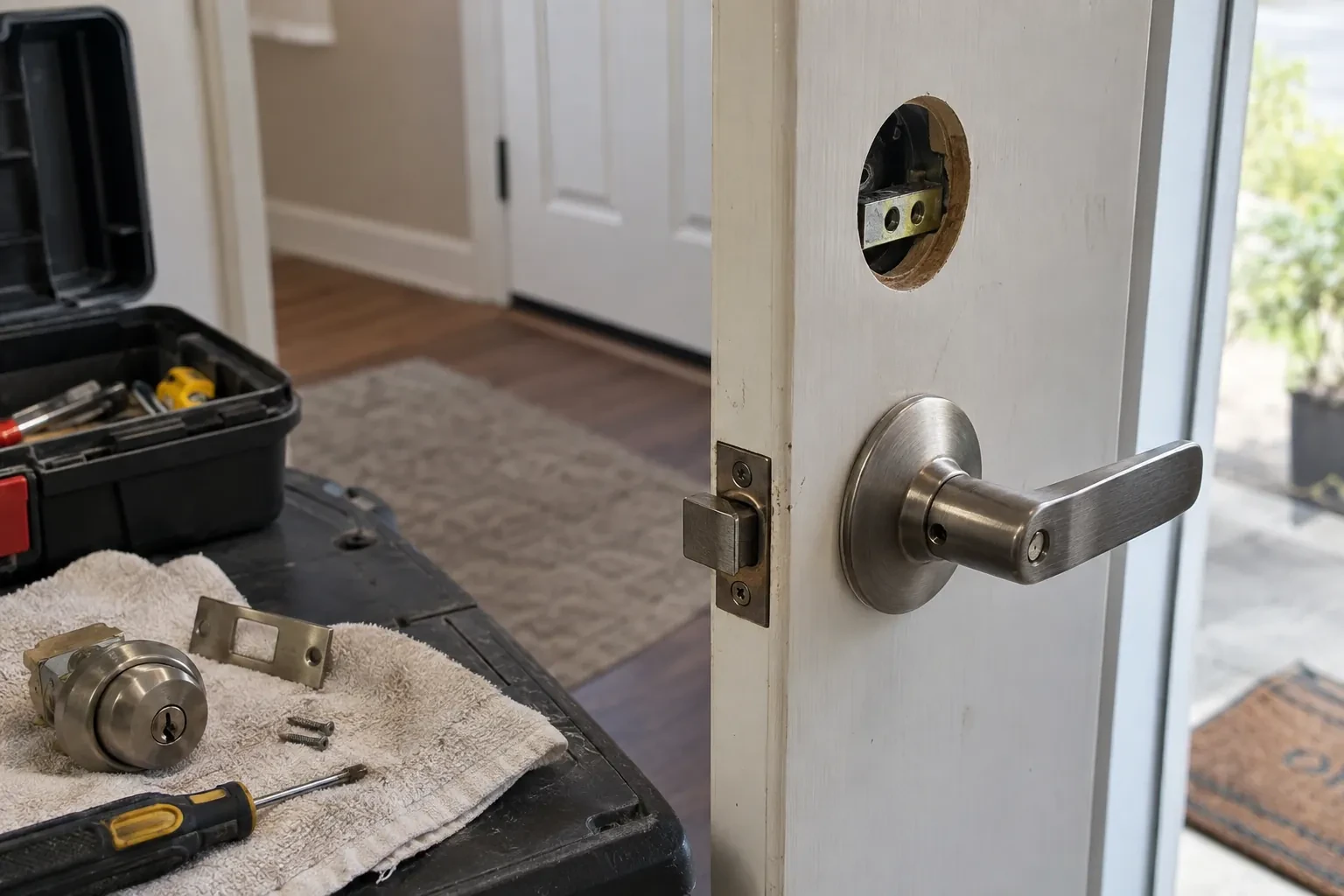
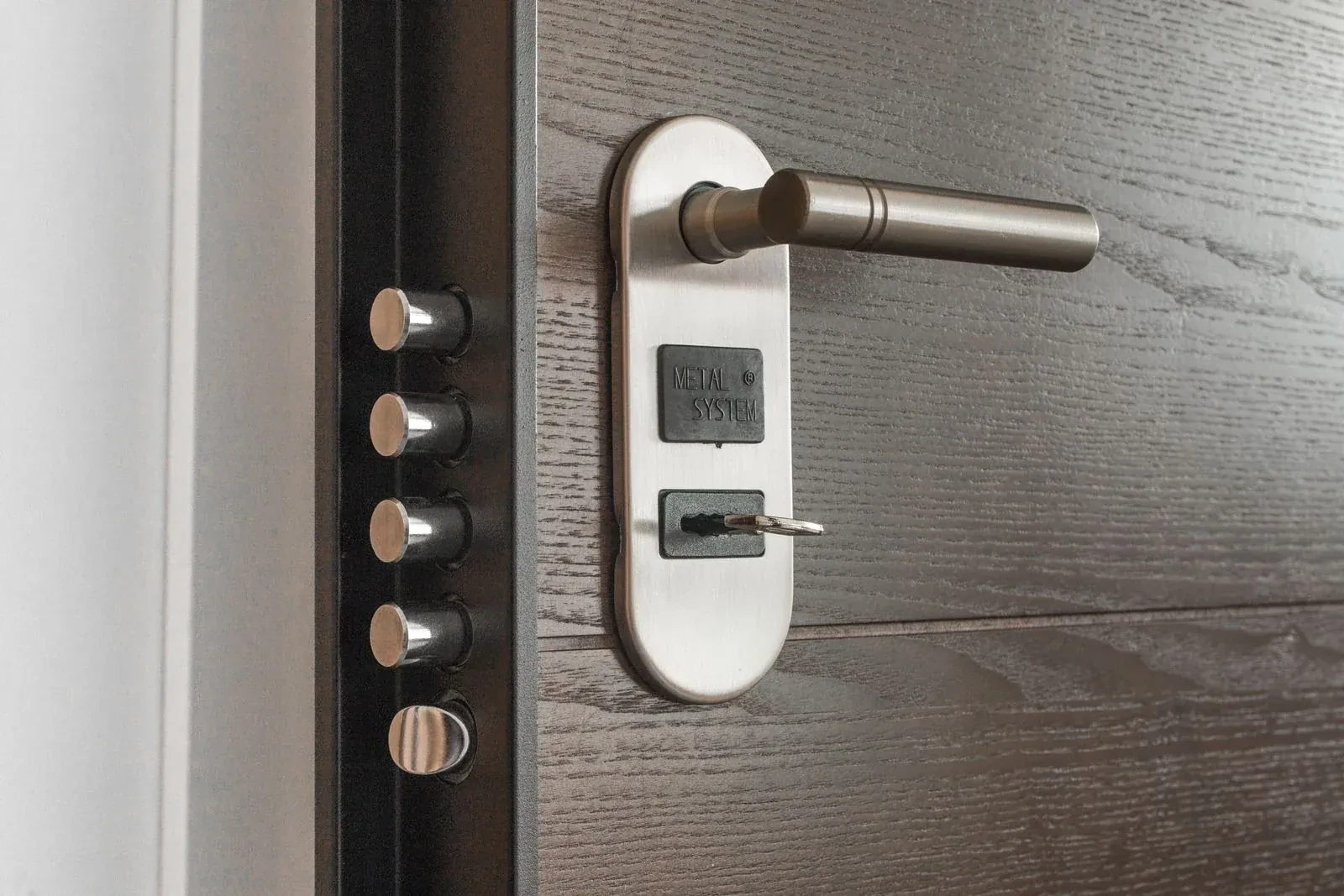
Before a single cylinder comes out, the locksmith walks the property with you and lists each opening: the front door, the back and side doors, the door from the garage into the house, a walkout basement, a gate with a keyed latch, a shed, a mailbox, and any interior door you want on a key. It is surprising how often the garage's side door or the storm door is forgotten and left on the old key. The list becomes the plan for the visit and, at the end, the record of what was done. A door that is not on the list is not rekeyed, so the walk is worth two careful minutes.
Proving the old keys are finished
The last operation at every door is the test that matters most. The locksmith turns the new key from outside and inside with the door open, then closed, and confirms the bolt throws fully and draws back cleanly. Then the old key is tried in the same cylinder and must turn nothing. This is repeated at every rekeyed door, because the door that gets skipped is the one an old key still opens. Spares cut from the new pinning are tried in every lock they are meant for. The old keys, now just shaped brass, are collected or handed back to you for the recycling bin.
Living with one key for the house
If the visit brought your doors onto a single key, daily life gets a little simpler: one key opens the front door, the back, the garage's side entry and the shed, and the ring in your pocket shrinks to the car key and one for the house. Anyone you give a key to gets the same freedom, which is convenient for family and worth thinking about for anyone who should only reach one door; that is what a separate group is for. Keypads and smart locks keep their codes, and their override cylinder now takes the same key. If you add a door later, its cylinder can be pinned to match.
Lock Rekeying
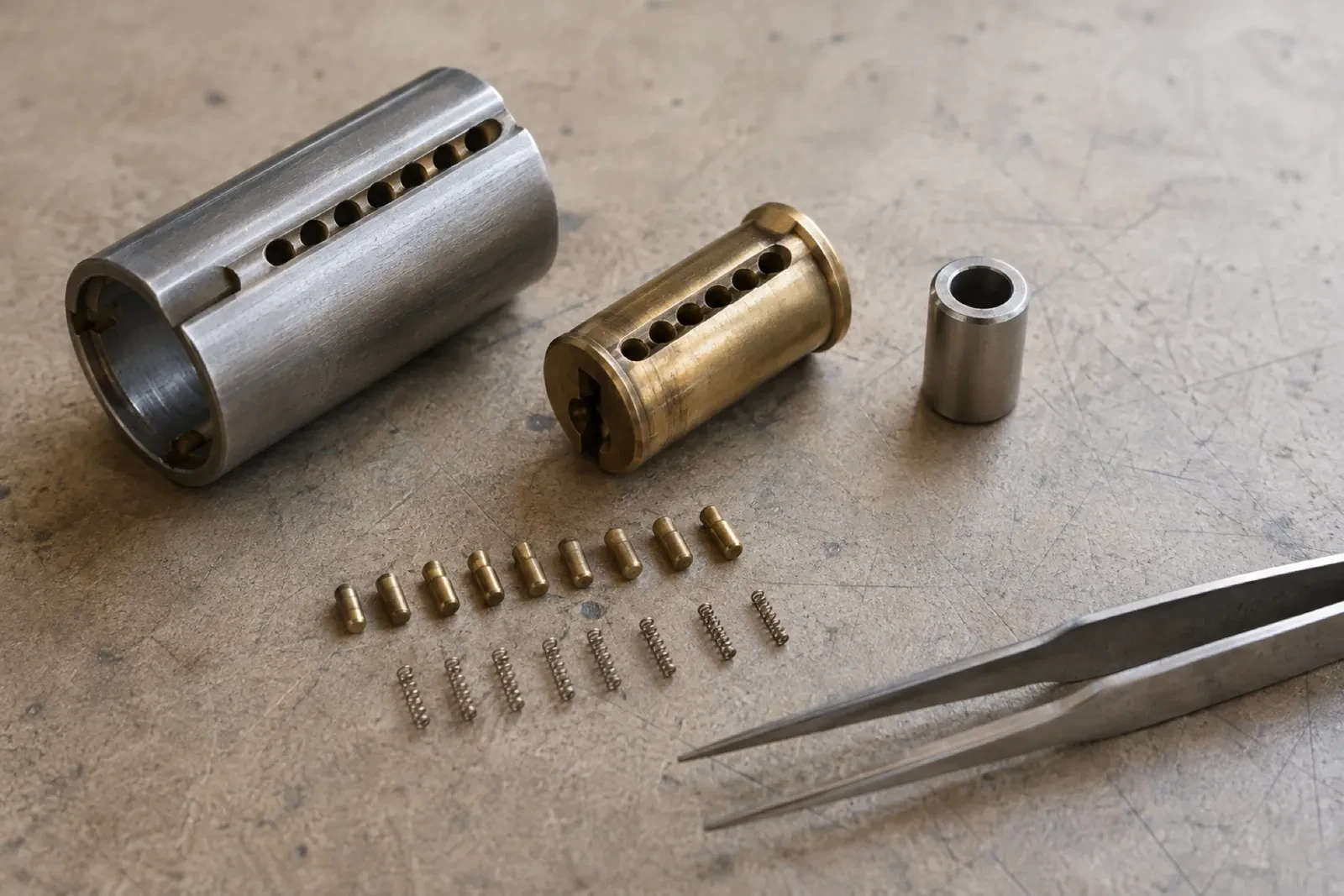
In the van
Cylinder shim
Plug follower
Retaining clip tool
Graded bottom pin kit
Key tags and keying record
Lock Rekeying
What affects the quote
Interior doors added to the plan
Bedroom, office or storage-room locks brought onto a key are lighter work than exterior deadbolts, but each is still a cylinder to pin and test, and the count includes them.
How many cylinders are included
Each cylinder is removed, pinned and tested on its own, so a single deadbolt and a house with six exterior locks plus a shed and a gate are very different visits, and the quote follows the count.
Mailboxes, padlocks and cabinets
Small cam locks on mailboxes and cabinets are usually replaced rather than repinned, and padlocks vary in whether they can join the house key; each of these is priced as its own item.
What to have ready
- Has a key gone missing, or is one still held by someone who has moved on?
- Which doors do you want rekeyed, and have you counted the door from the garage?
- Do you have a working key for every lock, or is there a door with no key at all?
Lock Rekeying: questions
QuestionsWhat is a restricted keyway, and does it change anything?
A restricted or patented keyway is one whose blanks are not sold to the public, so copies can only be cut by an authorized dealer from a record of who is allowed to have them. Rekeying such a cylinder is the same operation inside, but the new keys are cut from controlled blanks and the count is logged. The benefit is that a key cannot be duplicated at a kiosk without your knowledge, which makes the record of who holds one much easier to trust.
Should I rekey when I move into a new home?
It is the single most common reason to rekey, and a sensible one. A resale home has typically passed through owners, agents, inspectors, cleaners and trades, any of whom may have had a key cut. A newly built home has been opened by construction crews using a builder's key. Rekeying on move-in means the only working keys are yours, and the same visit can bring every exterior door onto a single key, retiring the assorted keys you inherited.
My deadbolt says I can rekey it myself with a little tool. Should I?
You can, given a key that currently operates the lock, the maker's reset tool, the new key and the steps followed in order. Trouble tends to arrive when the old key is missing, when the new key belongs to a different keyway, or when a reset stalls halfway and the cylinder then accepts neither key. A locksmith carries the tool and the procedure, can check that the new key suits the rest of your doors, and can fit a standard cylinder if a forced reset has broken the mechanism.
Related services
- Lock Replacement & UpgradeEvery morning the front door key needs the same little dance: push in, lift, wiggle, turn.
- Vintage Mortise Lock ServiceThe old skeleton key still fits the keyhole, but it now needs a jiggle, a lean on the door and a little luck before the bolt moves.
- Smart Lock InstallationYou have just taken possession of the house and the previous owners handed over a keypad deadbolt with a code nobody wrote down and an app account you cannot get into.