Car keys · Aurora
Car Key Replacement
The key snapped at the head while you were turning it in a stiff, frosty door lock.
In plain words
Older vehicles without an immobilizer are a pleasure to key, but whether a given car has one is checked rather than assumed from age, since several early-2000s vehicles already shipped with a factory immobilizer. Where a car genuinely needs only a blade, it is cut to the factory code or to a reading of the lock rather than copied from a worn original, so it seats cleanly in an ignition that has seen twenty winters. Where the ignition wafers are tired, the locksmith can say so and service the cylinder in the same visit. The result is a key that turns like the car was new, without the daily jiggle.
How the visit goesThe car is yours now, but somebody else still holds a key to it. Adding another key is not enough; you want the old ones to stop working the vehicle so the question is settled for good.
Car Key Replacement
How the visit goes
What is left of the old key
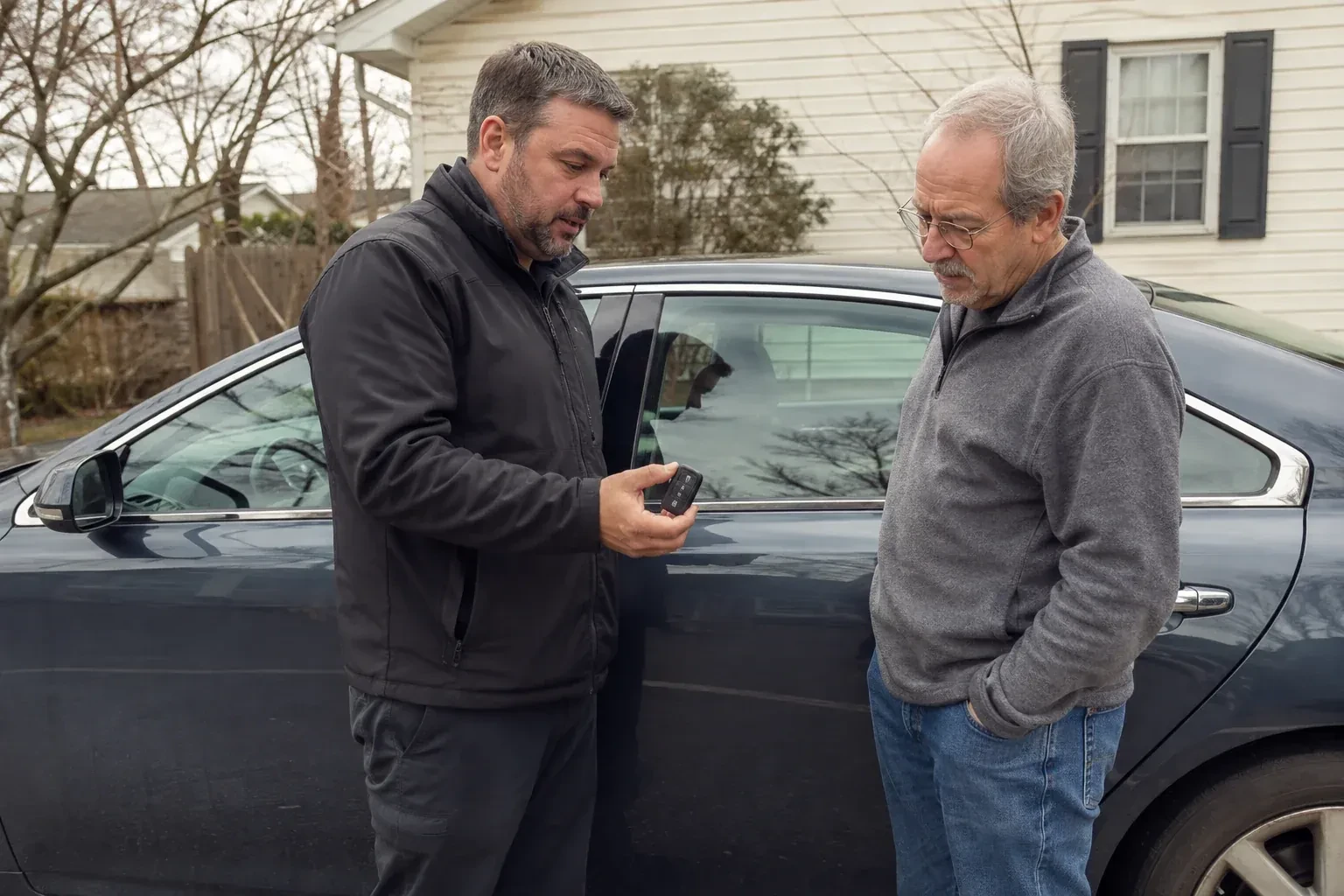
A damaged key is examined before anything is ordered, because its parts may be reusable. A cracked shell often still holds a healthy circuit board and transponder; those can move into a new case with a freshly cut blade, and no programming is needed. A snapped blade with an intact head keeps its chip and remote. A key that went through the wash may have lost the remote but kept the chip, since the transponder has no battery of its own. Sorting this out with a battery test and a chip reader decides whether you need a shell, a blade, a remote, or a complete new key.
Rebuilding a damaged key around its electronics
A key with a cracked case, a broken ring loop or a snapped blade often keeps a perfectly good circuit board and transponder inside. The locksmith opens the old shell, lifts out the board and the chip, and seats them in a new case of the correct pattern. A fresh blade is cut to code and fitted to the new head, and a new coin cell goes in while the case is open. Because the chip and the remote circuit have not changed, no programming is required, and the rebuilt key behaves exactly as the original did on the day it left the factory.
A record of what your key actually is
A car key has an identity of its own: a blade profile, a transponder type, a remote frequency and a part number, and sometimes a key code printed on a tag. The locksmith notes these for you, along with the count of keys stored in the car, so the next spare can be prepared from the details rather than from scratch. Keep the note with your insurance papers rather than in the car. If the vehicle ever changes hands, the record also lets the new owner have the old keys erased and fresh ones made without guesswork about what the car uses.
Car Key Replacement
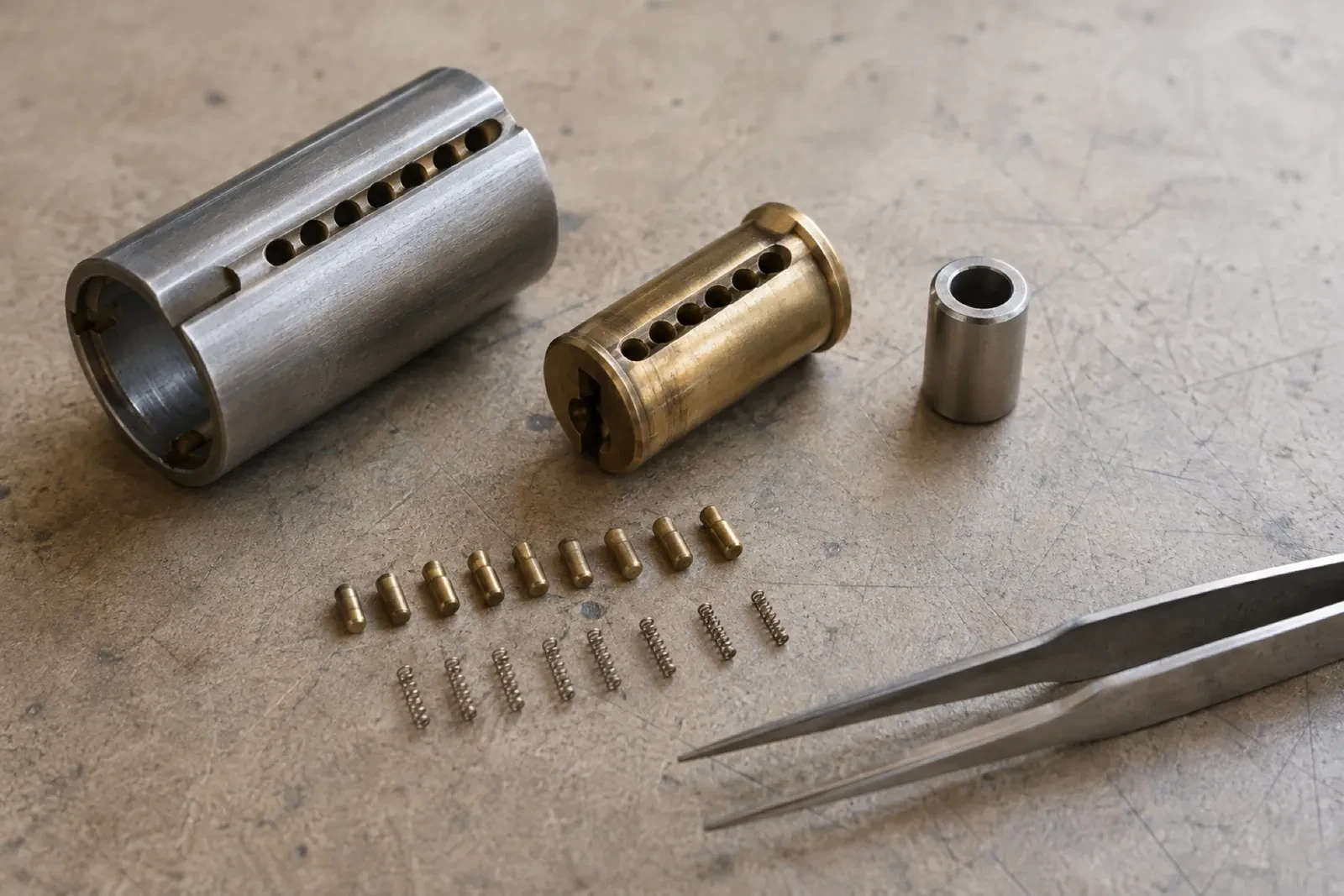
In the van
Proximity fob with emergency blade
Vehicle battery maintainer
OBD programming tool
Remote frequency tester
Transponder key blank
Car Key Replacement
What affects the quote
Condition of the locks and ignition
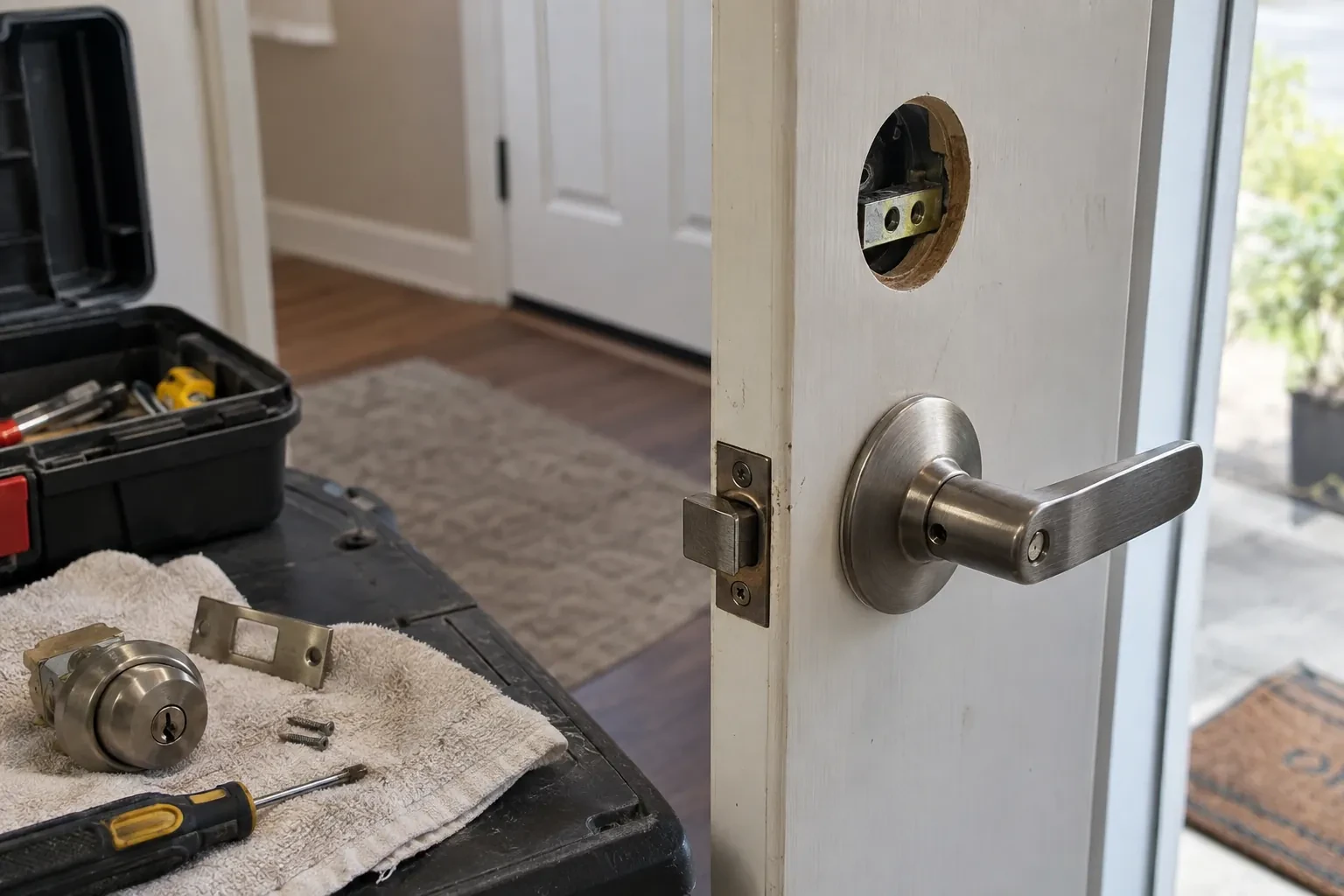
A door cylinder seized with salt or an ignition with worn wafers may need freeing, servicing or rebuilding for the new key to feel right. That work is quoted as its own item alongside the key.
Time of the call
A weekday afternoon and a holiday evening cost the same amount for a car key replacement. The locksmith confirms the exact figure on site once the vehicle, the fob type and the number of keys needed have been checked in person.
Functions on the fob
Locking and unlocking come with every fob. Trunk release, panic, remote start and power liftgate depend on the fob part number, so a fob with more functions is quoted differently from a basic one. Phone-as-a-key is quoted separately, set up through the vehicle's own software rather than by fob choice.
What to have ready
- Was the key lost, stolen, broken, or damaged by water?
- Does the car start with a key in the ignition or with a push button?
- Do you have any key that still starts the car, or are they all gone?
Car Key Replacement: questions
QuestionsWhat is a transponder key, and does my car have one?
A transponder is a small chip in the head of the key with no battery of its own. When the key is in the ignition, or the fob is inside the cabin, the immobilizer sends a signal and the chip answers with a code; if the code is unknown, the engine is prevented from running. Every new light vehicle sold in Canada since September 2007 has been required to have an immobilizer, so almost any car from that time on uses one.
Do you use original manufacturer fobs or aftermarket ones?
Both exist, and the locksmith will say which is proposed for your car. Original parts match the vehicle exactly and are the safer choice for the newest systems and for features like remote start or phone pairing. Well-made aftermarket keys and fobs are widely used on common models and suit spares and older vehicles. What matters in every case is the correct frequency, part number and chip type, which the VIN confirms.
Does the car have to be towed to a shop?
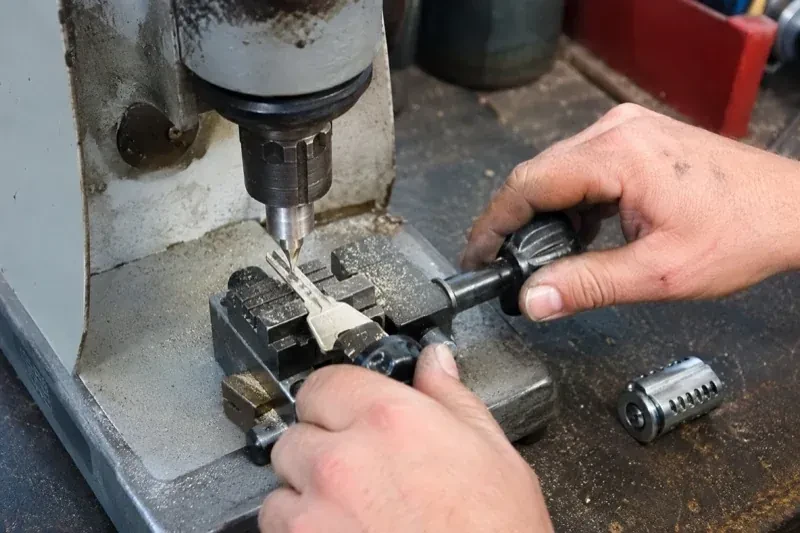
Often not. The cutting machine, blanks and programming tool travel in the van, and the work is done where the car sits: a driveway, a parking garage, the roadside or a workplace lot. The locksmith connects to the diagnostic port under the dash and cuts and programs on the spot. An unsupported or dealer-only system may still need the vehicle to go to a dealer or a suitably equipped shop, which the VIN check flags beforehand.
Related services
- Spare Car Key DuplicationA lockout last month ended with a locksmith opening the door and going home, and the same single key has been carried ever since with nothing behind it.
- Key Fob ProgrammingButtons on the fob still light up and the remote still clicks, but the vehicle refuses to start even with the fob sitting in the cupholder.
- Transponder Key ProgrammingSince the remote starter was installed last month, the original key has started acting strangely, the car catches on the first turn some mornings and refuses outright on others.