Car keys · Aurora
Transponder Key Programming
Since the remote starter was installed last month, the original key has started acting strangely, the car catches on the first turn some mornings and refuses outright on others.
In plain words
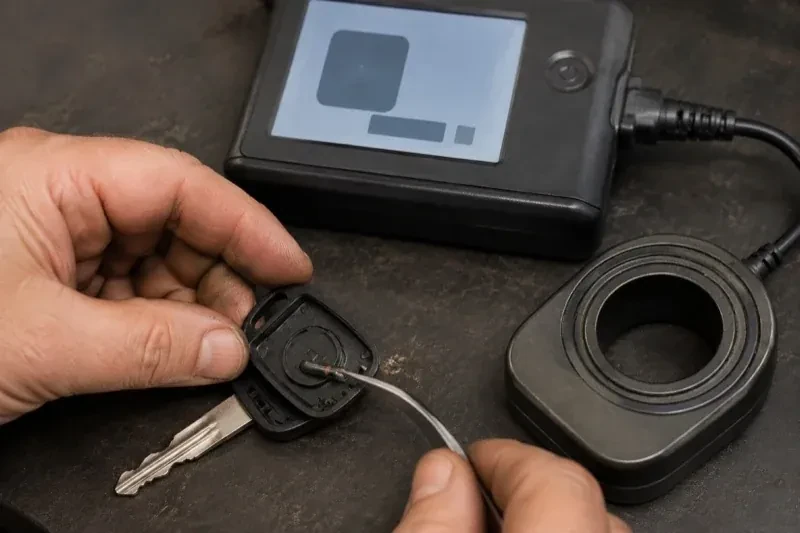
A modern car key is often two systems living in one housing: the transponder, a chip with no battery of its own that only the immobilizer needs to see, and the fob, a battery-powered remote that handles locking, unlocking and alarm functions from a distance. Programming a transponder key addresses the first system, letting the engine start, while pairing the fob addresses the second, restoring the buttons. A key can pass one test and fail the other, so both get checked before the visit is finished.
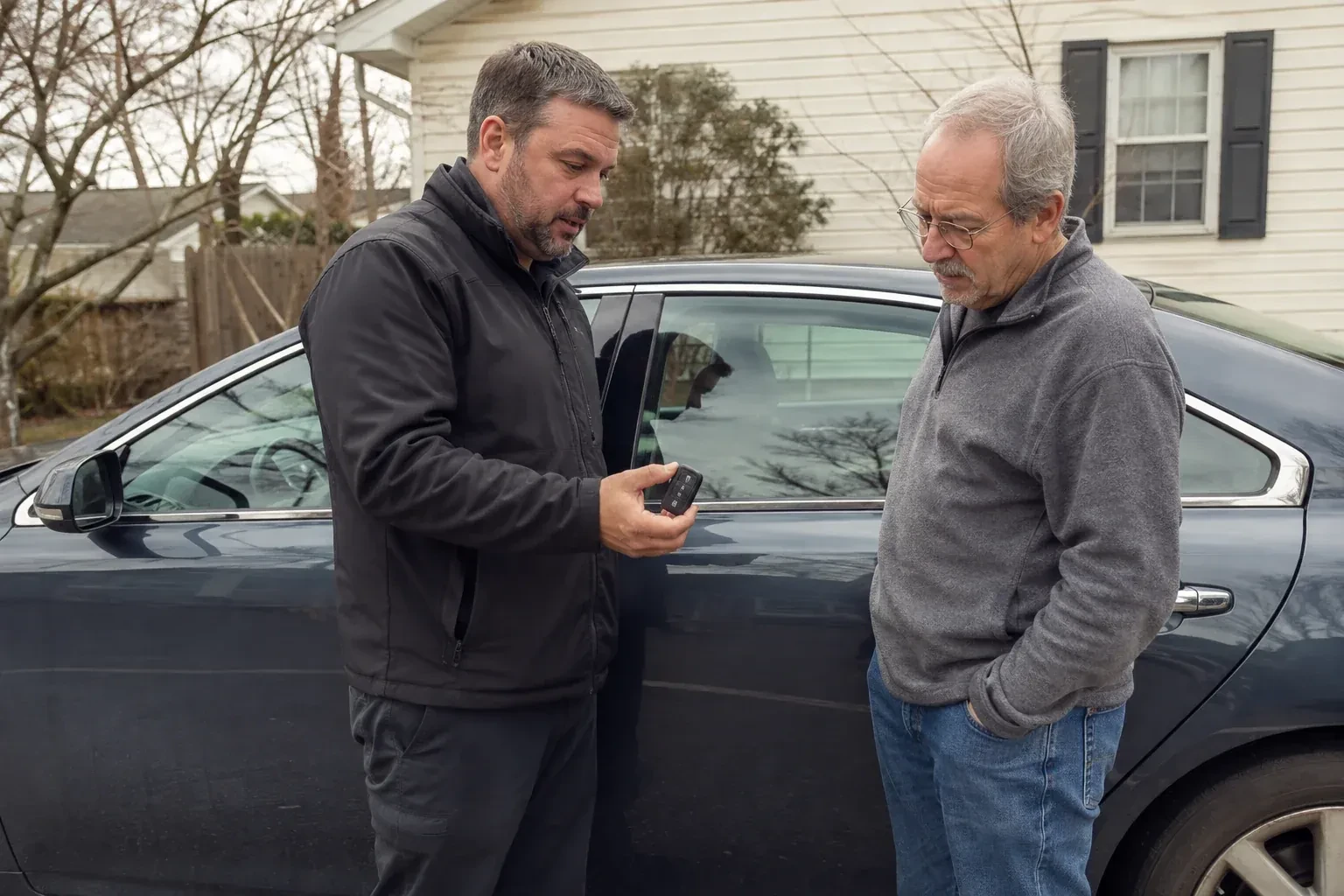
How the visit goesThe car came with a single key when the sale went through, and that key is the only thing standing between the household and being stranded. A second one has been on the list for weeks, quietly moved down every time something more urgent came up.
Transponder Key Programming
How the visit goes
Anything already added to the vehicle
Aftermarket remote starters, alarms, and a used ignition or control module carried over from another vehicle can all leave their own entries in a key list, sitting alongside the factory ones. Before programming anything new, the locksmith asks what has been added or swapped, since a module transplanted from elsewhere sometimes brings a stranger's old key identities with it. Sorting out what belongs to this vehicle and what arrived with a part keeps the finished key list honest rather than cluttered with entries nobody can explain.
Cutting the blade first
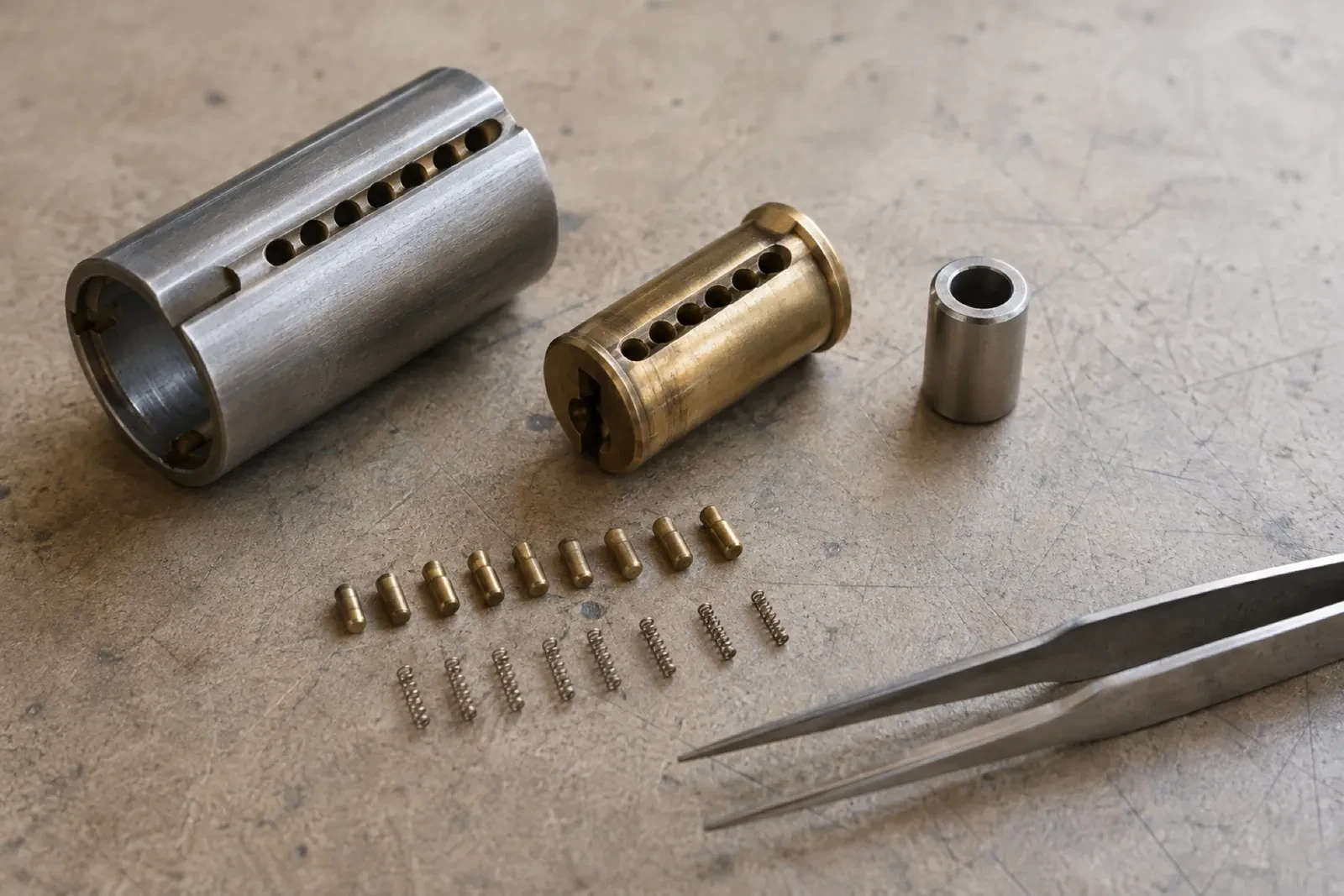
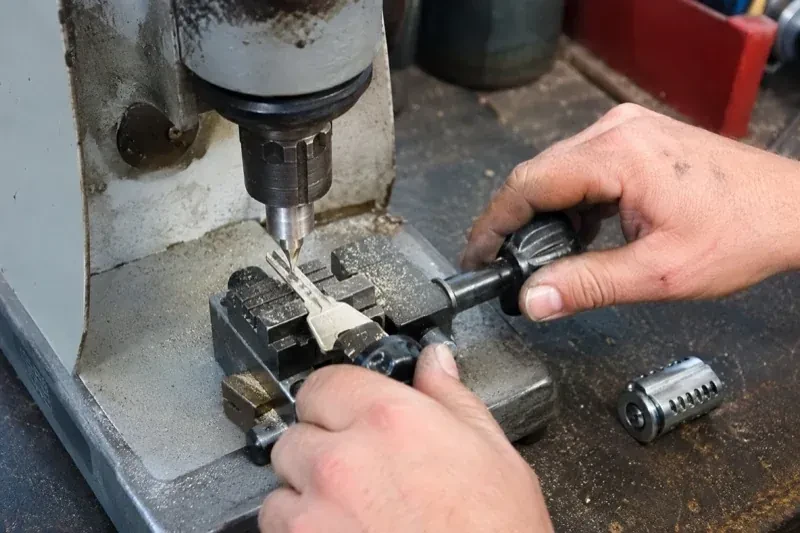
The mechanical side of the job comes first and is the more familiar half of it: the blade is cut to the lock's own pattern, either from a code on file or by duplicating a working key, and fitted into a blank carrying the correct chip. A perfectly cut blade still will not start a vehicle with an immobilizer on its own, which is the detail that catches out a counter kiosk. The two halves of the key are treated as separate tasks throughout, cut first, chip second.
Looking after the fob
A fob that has just been given a fresh battery and paired functions should be treated normally rather than babied, but a couple of habits extend its working life: avoid leaving it somewhere that gets very hot, such as a dashboard in direct sun, and replace the battery again at the first sign of a weak or intermittent response rather than waiting for it to fail outright. The metal emergency insert is worth testing once, so its location and its awkwardness are familiar before it is actually needed.
Transponder Key Programming
In the van
Proximity smart key
Key cutting machine
Frequency test reader
VIN reference tool
Chipped key blank
Transponder Key Programming
What affects the quote
Aftermarket alarms or remote starters already installed
A vehicle with an aftermarket alarm or remote starter wired into its ignition circuits may need extra time to confirm how that system interacts with the factory immobilizer before a new key is programmed.
Time of the appointment
An appointment during regular daytime hours is scoped differently from one outside them, and the locksmith states which applies when the visit is booked so there is no surprise about it on arrival.
Number of vehicles involved in one visit
A household with more than one vehicle needing keys programmed in the same visit is a longer job than a single vehicle, even where the vehicles share a similar system, since each one is read and written separately.
What to have ready
- How many keys currently work?
- How many working keys would you like when this is finished?
- Is this a lost, stolen, damaged or spare-key situation?
Transponder Key Programming: questions
QuestionsCan a push-button, proximity-style key be programmed the same way?
Yes, though there is usually more to pair afterward: the proximity functions that let the vehicle detect the key nearby, alongside the same immobilizer identity a traditional transponder key would carry. The visit still ends with the same test, confirming the engine starts and the vehicle recognizes the key at a normal walking distance.
What's the difference between a transponder key and a key fob?
The transponder is the passive chip that talks to the immobilizer and lets the engine start; it needs no battery of its own. The fob is the separate, battery-powered piece that handles remote locking, unlocking and alarm functions. Many modern keys combine both in one housing, but they answer two different systems, which is why a fob with a dead battery can still start the car with its mechanical blade.
Are some vehicles only able to have keys programmed by a dealer?
Many recent models, particularly ones with additional security layers, require a manufacturer-level session that only certain equipment can reach. Older and simpler systems more often allow direct programming without that extra step. The locksmith can usually confirm which situation applies to a specific vehicle from its year, make and model before the visit.
Related services
- Car Key ReplacementThe key snapped at the head while you were turning it in a stiff, frosty door lock.
- Spare Car Key DuplicationA lockout last month ended with a locksmith opening the door and going home, and the same single key has been carried ever since with nothing behind it.
- Key Fob ProgrammingButtons on the fob still light up and the remote still clicks, but the vehicle refuses to start even with the fob sitting in the cupholder.