King City Lock & Key Specialists · Aurora
Gate & Building Entry Locks: step by step
Locksmith · Aurora, Ontario
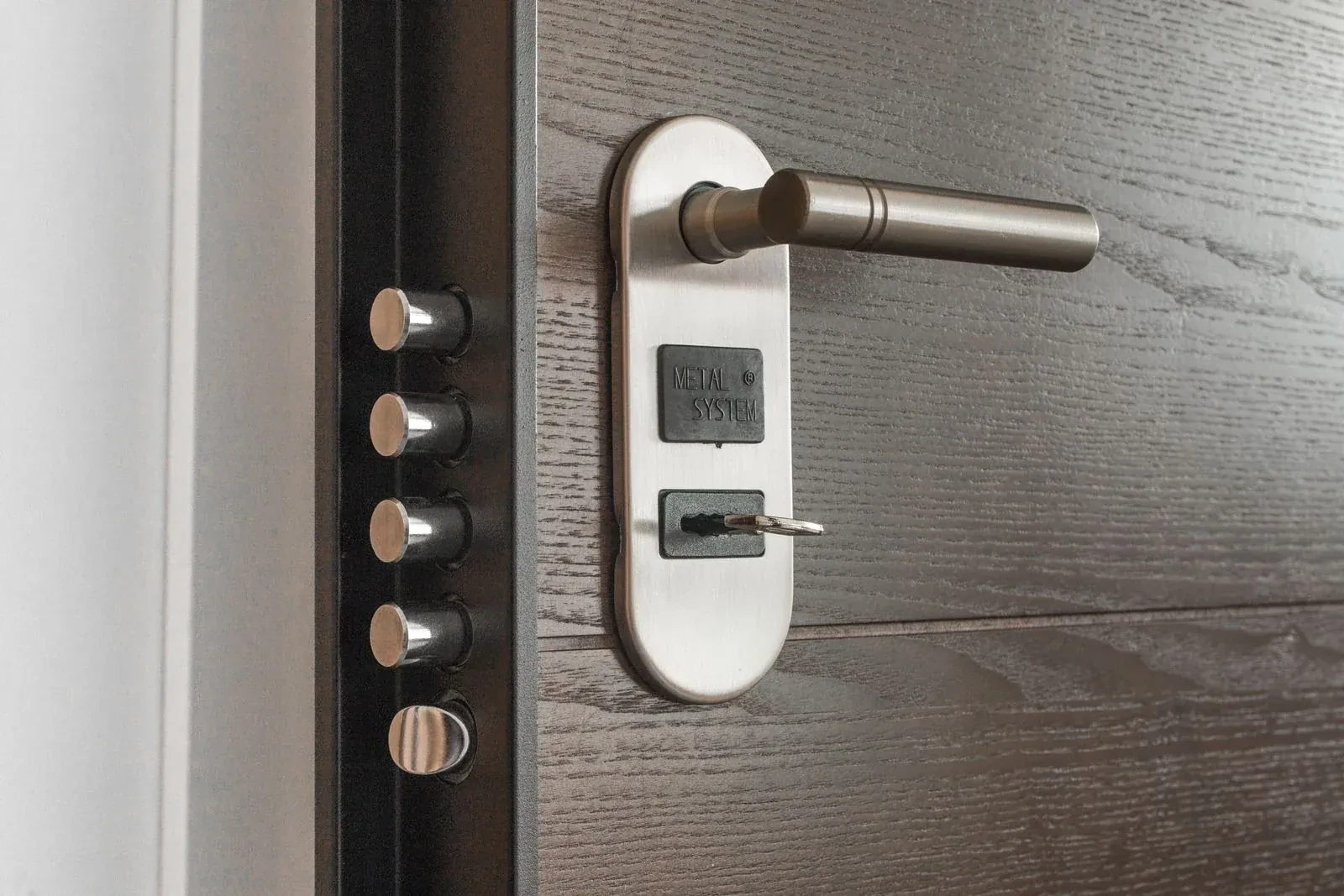
A property that grew its gates one at a time, a shed lock here, a side gate there, tends to end up with a drawer full of keys that only sort of match. This service takes stock of every gate and padlock on the property and works out which ones can reasonably be brought onto a single key, replacing or recombining cylinders as needed. The owner leaves with fewer keys, a clear note of what opens what, and a plan for adding any new gate onto the same system later.
Reading how the gate or door actually moves
Before touching the lock, the locksmith watches the gate or door open and close by hand: how far it swings, whether it drags, sags or springs back with too much force, and where the latch lands relative to the strike. A gate held shut with a brick or a door propped for the mail carrier is a clue about what the lock is being asked to work against every day. This first look decides whether the real fix sits in the hardware, the hinges, or the frame the whole assembly hangs from, and it shapes every choice made afterward.
Correcting a frost-heaved or leaning post
When ground movement is the real cause, the fix goes to the post rather than the lock. Depending on what the post is set in, this can mean resetting it plumb, packing or replacing the base it sits in, or adding bracing so it stops drifting with each freeze-thaw cycle. The strike is then repositioned to match the corrected post, and the gate is cycled through several full closes to confirm the latch now meets it consistently, in place of chasing the same misalignment again after the next frost.
Hardware set up to last outdoors
Anything replaced or adjusted during the visit is chosen and finished for life outside: corrosion-resistant fasteners, a cylinder rated for weather exposure, and a lubricant matched to whatever the cylinder maker specifies for it, since the wrong product collects grit and gums up in the cold. A light coat of that lubricant at the interval the maker recommends, worked through with the key a few times, keeps a cylinder turning smoothly well beyond what the hardware would otherwise manage sitting exposed at a gate or a street-facing door.