High security · Aurora
High Security Locks
The pharmacy stockroom, the server closet or the cash office is protected by the same ordinary cylinder as the staff washroom.
In plain words
The service begins with a conversation about what the door protects and what worries you, then a close look at the door as a whole: the cylinder, the bolt, the strike, the frame, the hinges and any glass nearby. From that the locksmith recommends a level of protection that matches the risk, fits it, and sets up the key system in your name. From then on, extra keys are cut only when you authorise them, and you receive a record of which key opens which door. It is the mechanical answer to the question most people eventually ask: who else has a key to this?
How the visit goesYou have lost count of how many people have had a key to your house over the years: cleaners, a contractor, a former partner, the previous owner's family. The lock still works, but you no longer know who else it works for.
High Security Locks
How the visit goes
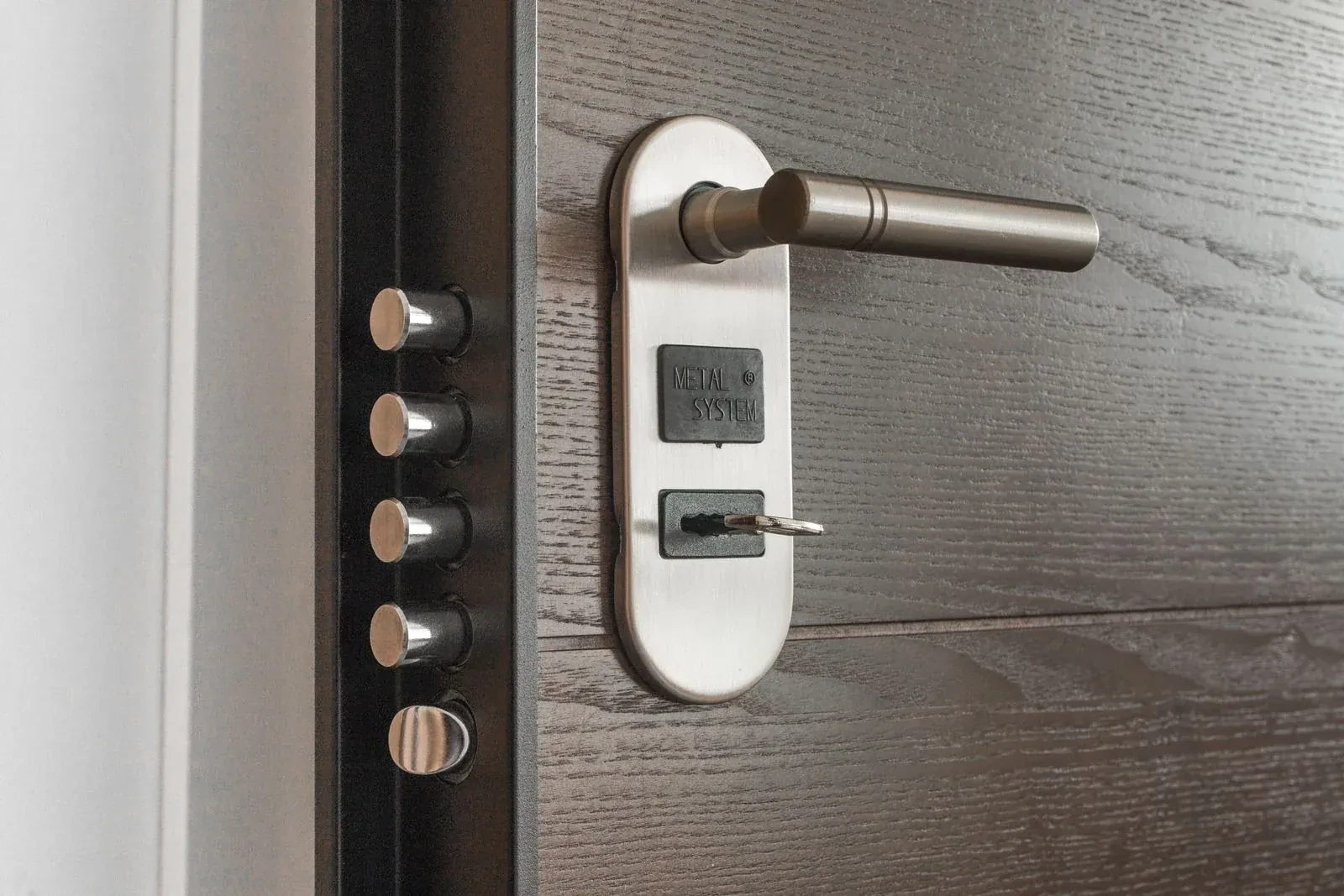
Reading the cylinder you have now
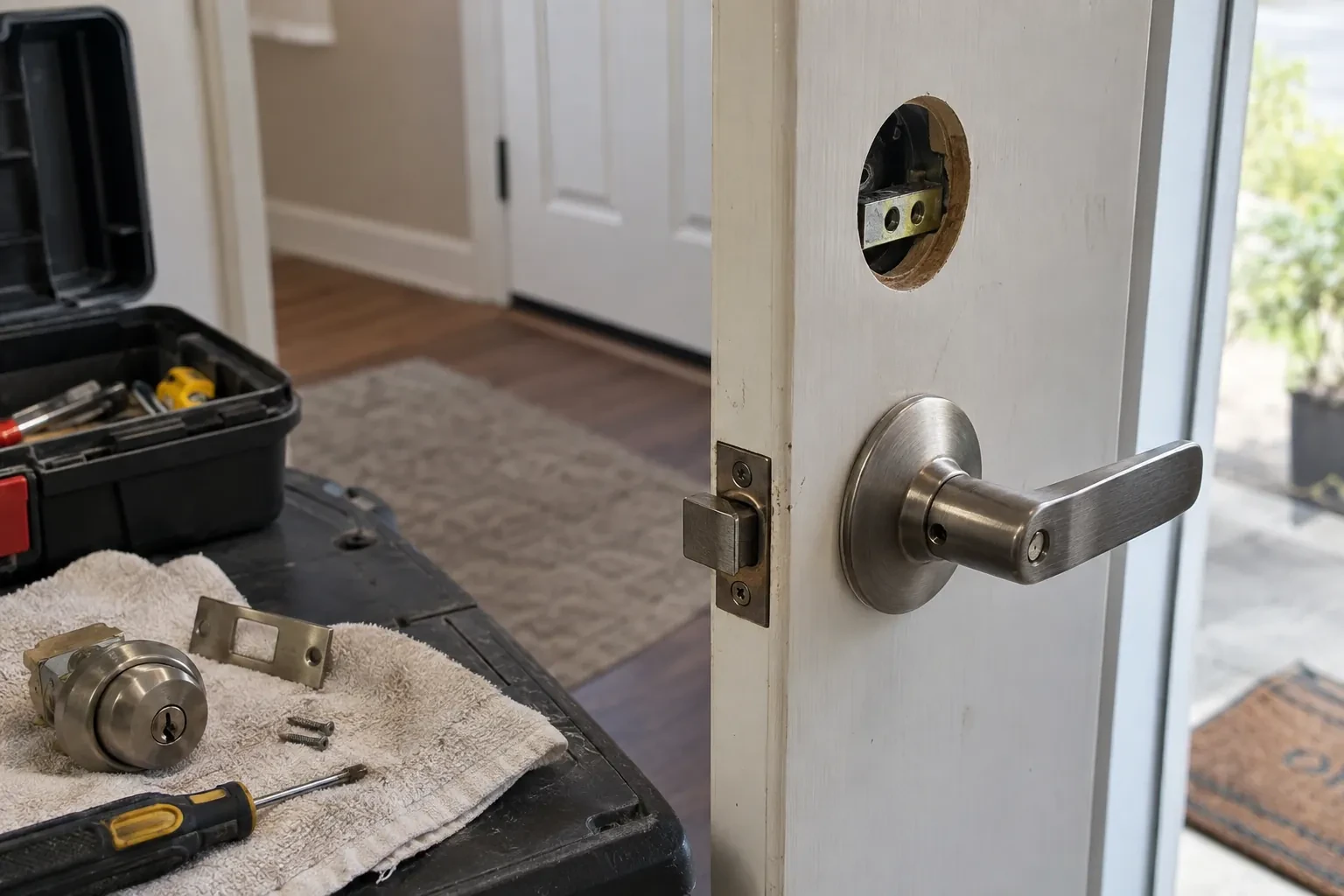
The existing cylinder tells the locksmith a great deal. A standard pin tumbler with an open keyway can be picked, bumped and duplicated by anyone with the blank. Worn pins let a key that is not quite right jiggle it open. A cylinder that spins loosely in its housing or shows a scratched face has been attacked or simply worn out. The locksmith identifies the format, whether key-in-knob, rim, mortise or interchangeable core, because that determines which high-security cylinders will drop into your present hardware and which will need a new lock body altogether.
Upgrading the cylinder in place
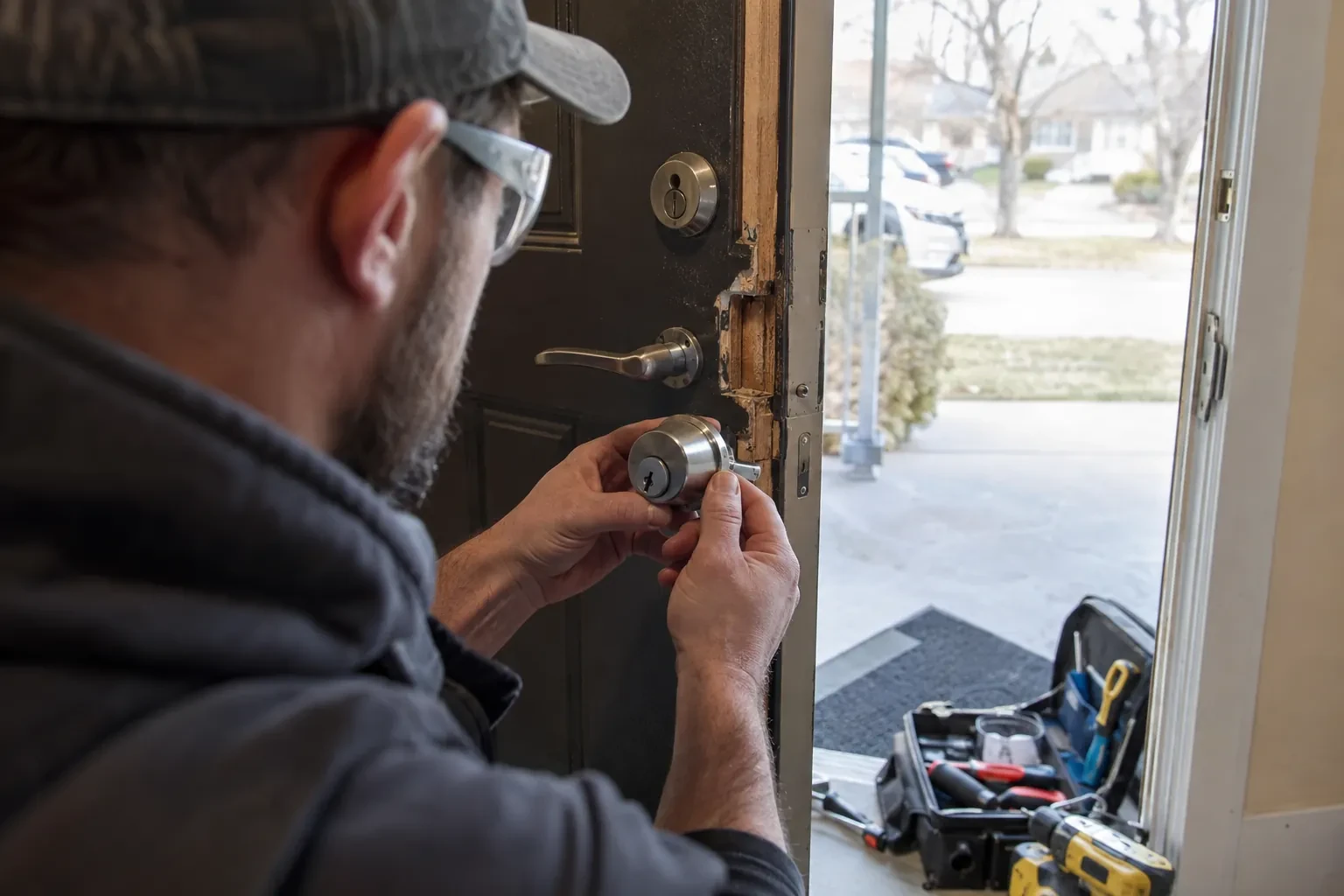
Where the existing lock body is sound, the locksmith removes the ordinary cylinder and fits a high-security one of the same format, so your deadbolt or lever stays and only the working heart changes. The new cylinder brings a sidebar released by finger or rotating pins, hardened steel inserts in the path of a drill, and a keyway that accepts only the controlled blank. Keys are cut from code on a machine that handles the side bitting. The tailpiece or cam is matched so the bolt throws fully, then the cylinder is fixed with its set screw and tested with every key.
Ordering keys the right way
Extra keys are now a small procedure rather than an errand. An authorised person contacts the locksmith, the request is checked against the system record, and the key is cut from code so it works as cleanly as the first. New keys are numbered and added to the register. Businesses often issue keys against a signature and collect them when someone leaves, which the register makes simple. Homeowners typically keep two or three spare keys and hold onto the authorisation card. A key cut from a worn copy would not release the sidebar properly, which is one more reason the code route is the only route.
High Security Locks
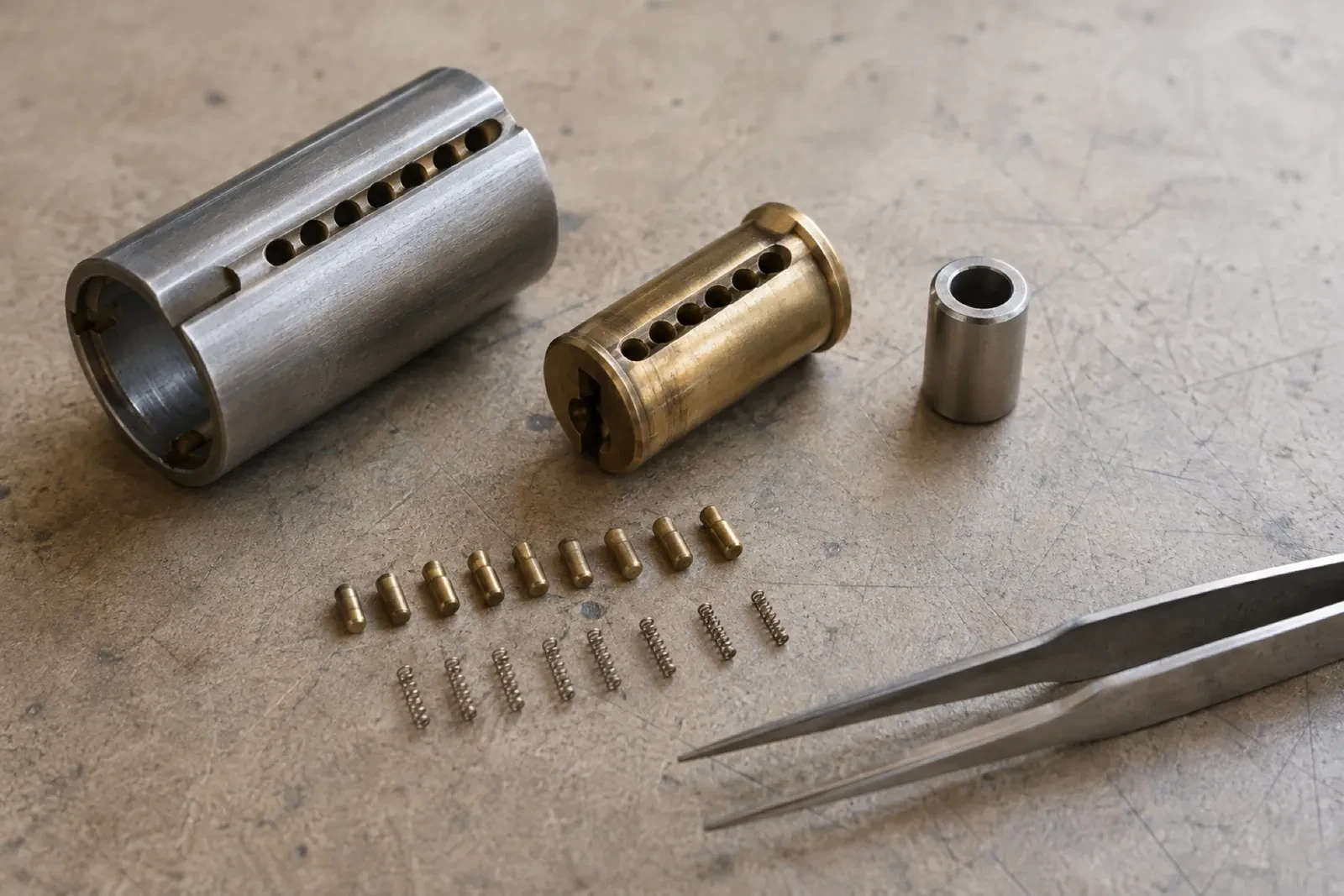
In the van
Pinning kit and plug follower
Commercial mortise lock body
Patented key blanks
High-security cylinder
Box strike
High Security Locks
What affects the quote
Distance and access
A rural property, a high-rise with loading dock rules or a site that must be visited outside trading hours affects travel and scheduling, and the quote says so plainly.
Documentation and registration
Setting up the key register, recording signatories and providing a written schedule of cylinders and keys is real work on a business system and is listed rather than hidden.
Cylinder only or full deadbolt
Swapping the cylinder inside a sound deadbolt is a smaller job than fitting a new graded deadbolt through the door, and a knob-only door that needs a fresh bore is bigger again.
What to have ready
- For a business, who should be allowed to authorise new keys?
- Would you like all doors on one key, or different keys for different areas?
- Is the door wood, steel-clad, fibreglass or aluminium with glass?
High Security Locks: questions
QuestionsWhat actually makes a lock high security?
Three things working together. The cylinder has a second locking mechanism, usually a sidebar released by finger pins or rotating pins, plus hardened steel in the path of a drill, so picking, bumping and drilling take far longer than on an ordinary lock. The deadbolt and strike are heavier and fastened into the framing. And the key is cut on a patented or restricted blank that only an authorised person can have copied. Remove any one and the door is weaker than the label suggests.
Are high security locks only for businesses?
Not at all. Homes are the most common place they are fitted, especially after a move, a break-in nearby, or the realisation that too many keys have been handed out over the years. A graded deadbolt with a patented cylinder and a reinforced strike is a modest, quiet upgrade for a front or side door. Businesses tend to go further, with laboratory-rated cylinders, heavy lock bodies and a documented key system across many doors.
Can all my doors be on one key?
Yes, and most homes ask for exactly that. Every exterior cylinder is pinned to the same combination so one controlled key opens the front, back, side and garage entry. A gate or shed padlock on the same keyway can join it. For businesses, the same keyway can carry a small master system where staff keys open only their areas and a manager key opens everything. The keying plan is agreed before any pinning is done.