Commercial · Aurora
Commercial-Grade Lock Replacement
The kitchen delivery door gets shouldered open more than a hundred times a shift, and lately the latch slips past the strike plate instead of catching it on the first push.
In plain words
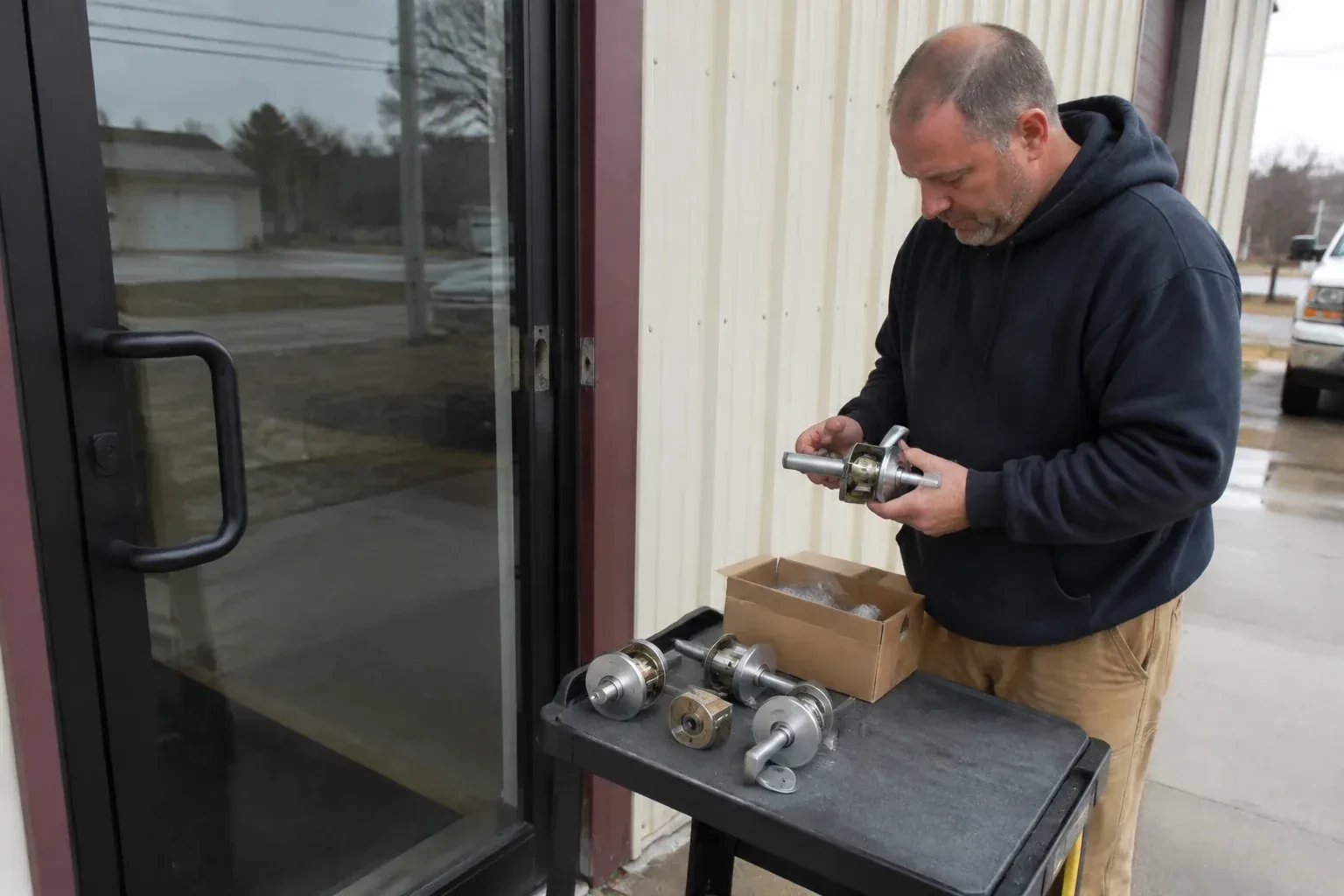
A great deal of what happens during this service is choosing the right category of hardware before a single screw comes out. Storefront glass and aluminum doors call for a narrow-stile lock or a hookbolt rather than the mortise body a solid wood or hollow-metal door would take, and a door serving a busy exit route may need listed exit hardware regardless of what was on it before. The locksmith identifies which category the opening belongs to, sources hardware built for it, installs it to the door's existing preparation, and confirms the finished lock operates correctly from both the public and the staff side.
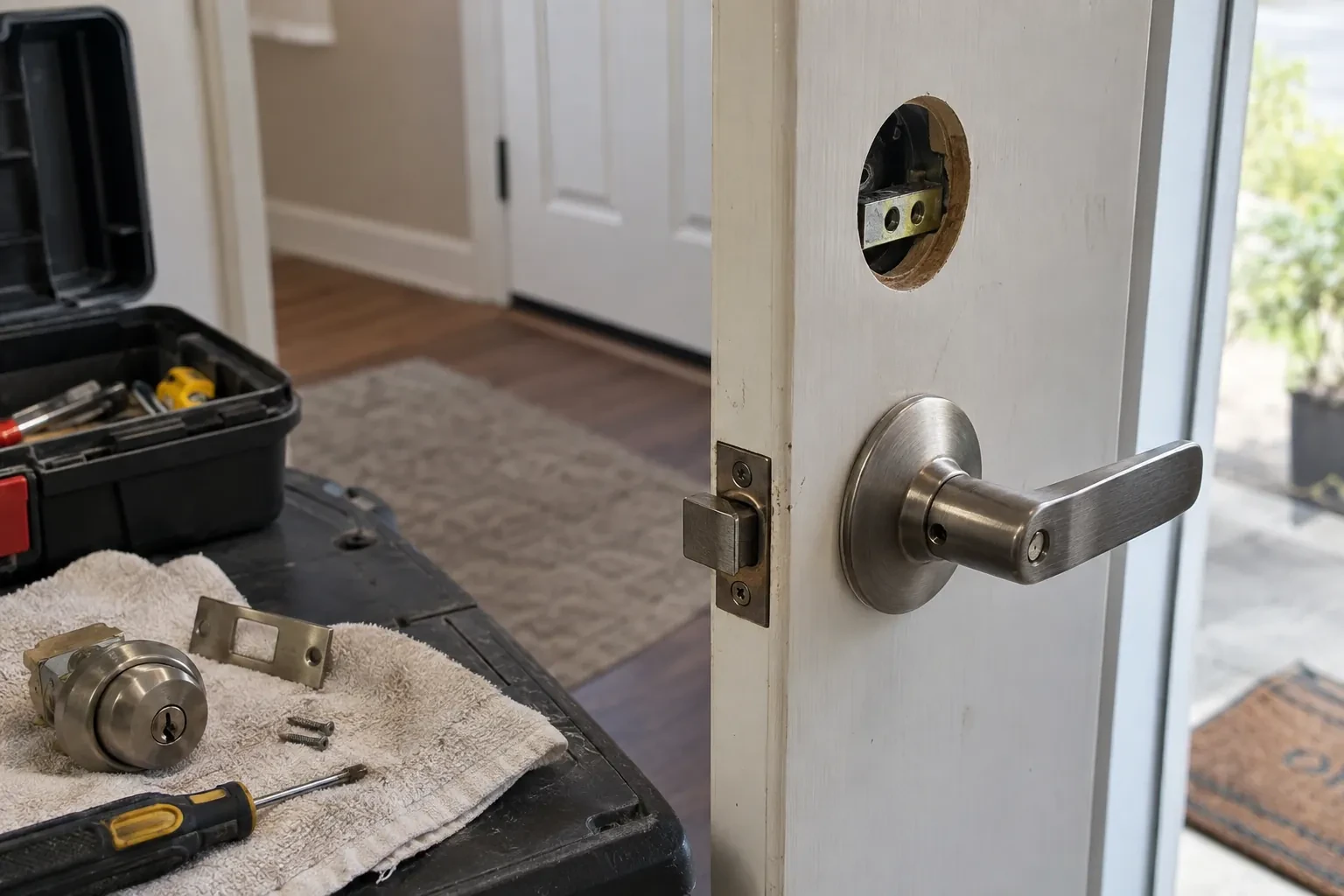
How the visit goesOvernight someone forced the back door, and the cylinder face is scarred, the metal around the strike has pulled loose from the frame, and the latch no longer sits flush.
Commercial-Grade Lock Replacement
How the visit goes
Weighing what the new hardware needs to do long term
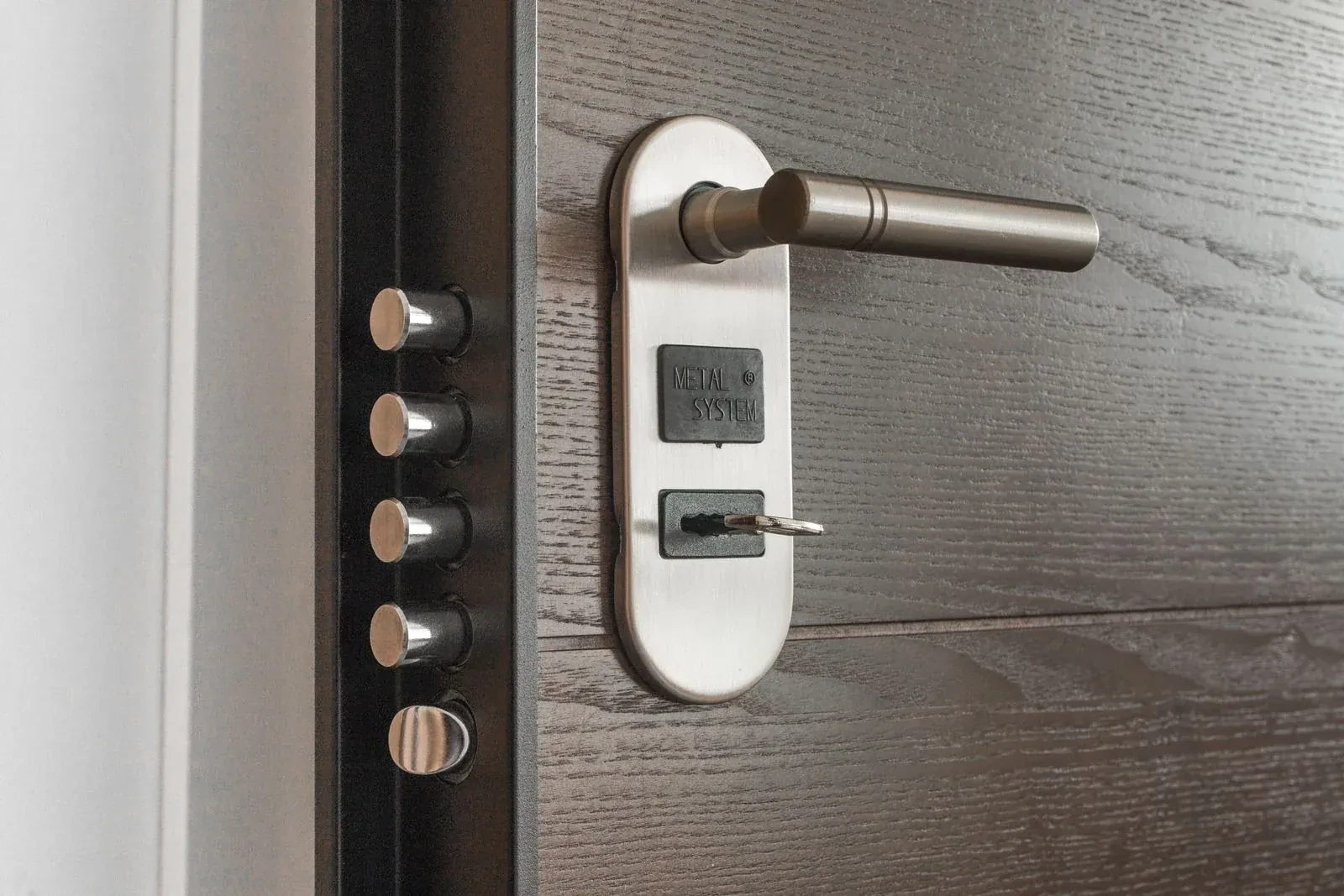
The last part of the assessment looks past today's problem to how the business expects to manage this door going forward: does staff turnover happen often enough that an interchangeable core, which lets a key holder change the combination without pulling the whole cylinder, would pay for itself in convenience? Does the business want a restricted keyway so blanks cannot be cut at an ordinary hardware counter? These questions shape the specific hardware ordered as much as the door's physical construction does.
Testing under real conditions before signing off
The finished hardware is cycled from both sides, under the door's normal swing and closing force, and by more than one person where staff are on site to try it, since a lock that operates cleanly for one hand may bind for another depending on height and grip. Any electric strike or reader tie-in is triggered several times to confirm consistent release. Only once the hardware performs the same way on repeated tries is the work considered finished rather than merely installed.
A record the next contractor can use
The business keeps a plain account of what was fitted: the hardware model and function, the keying it was cut to, how many keys were issued and to whom, and any fire or exit rating the door carries. For a property manager or facilities team, this record answers the next question about that door without another site visit, and for a business with several locations it becomes a reference for bringing other branches onto the same standard over time.
Commercial-Grade Lock Replacement
In the van
Listed panic or exit hardware
Key-control log and tags
Hookbolt and deadlatch hardware
Electric strike
Key cutting and coding machine
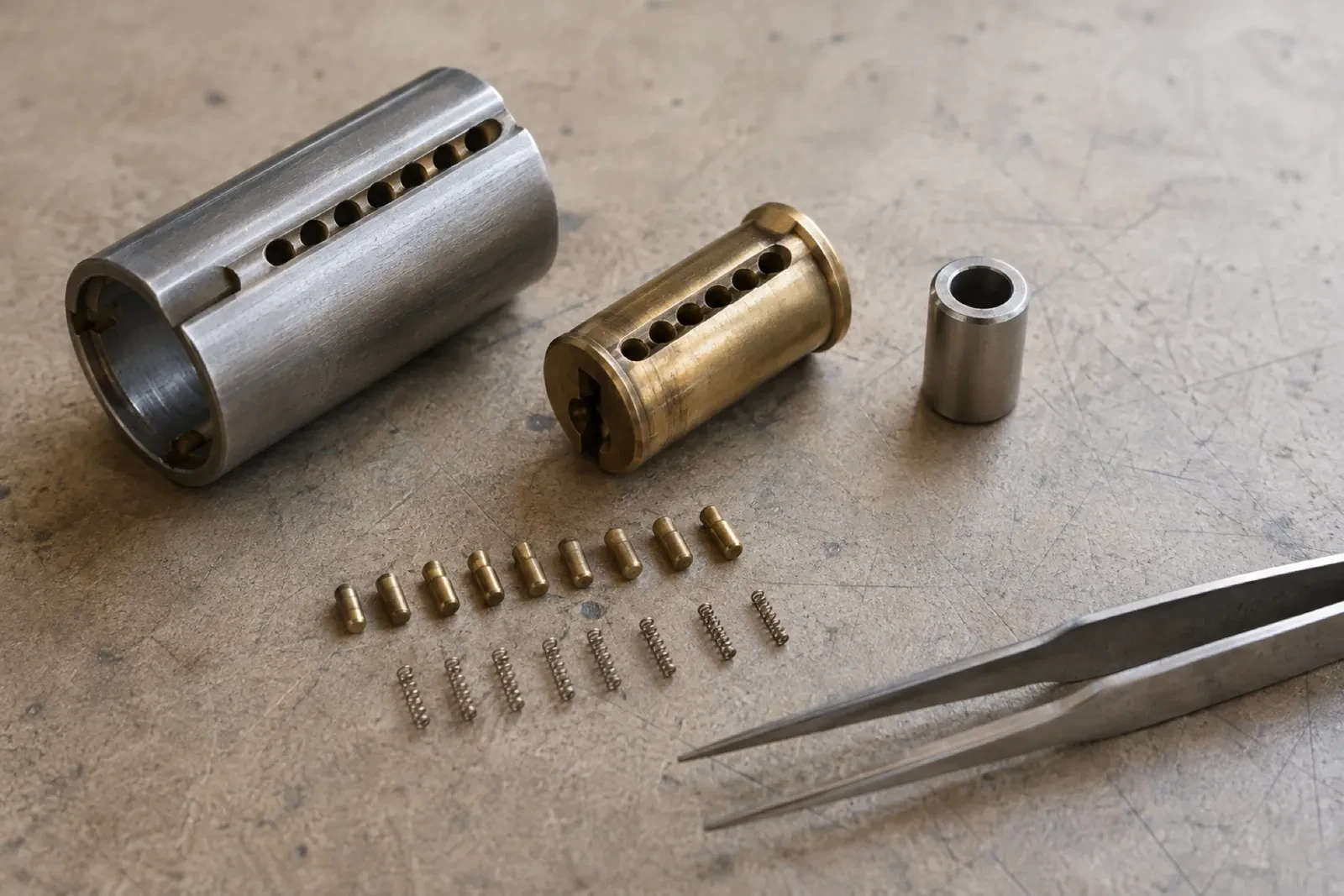
Commercial-Grade Lock Replacement
What affects the quote
Electrified hardware and access-control integration
An electric strike, maglock or reader tie-in adds parts and testing time beyond a purely mechanical lock, and the quote separates that electrified work from the mechanical hardware so each is clear on its own.
Restricted or patented keyways
A restricted keyway usually costs more as hardware than a standard cylinder, and duplicate keys are controlled through the manufacturer or distributor rather than cut freely; some restricted programs require formal registration, while others control the same blanks without a signed authorization step.
Type of hardware the door takes
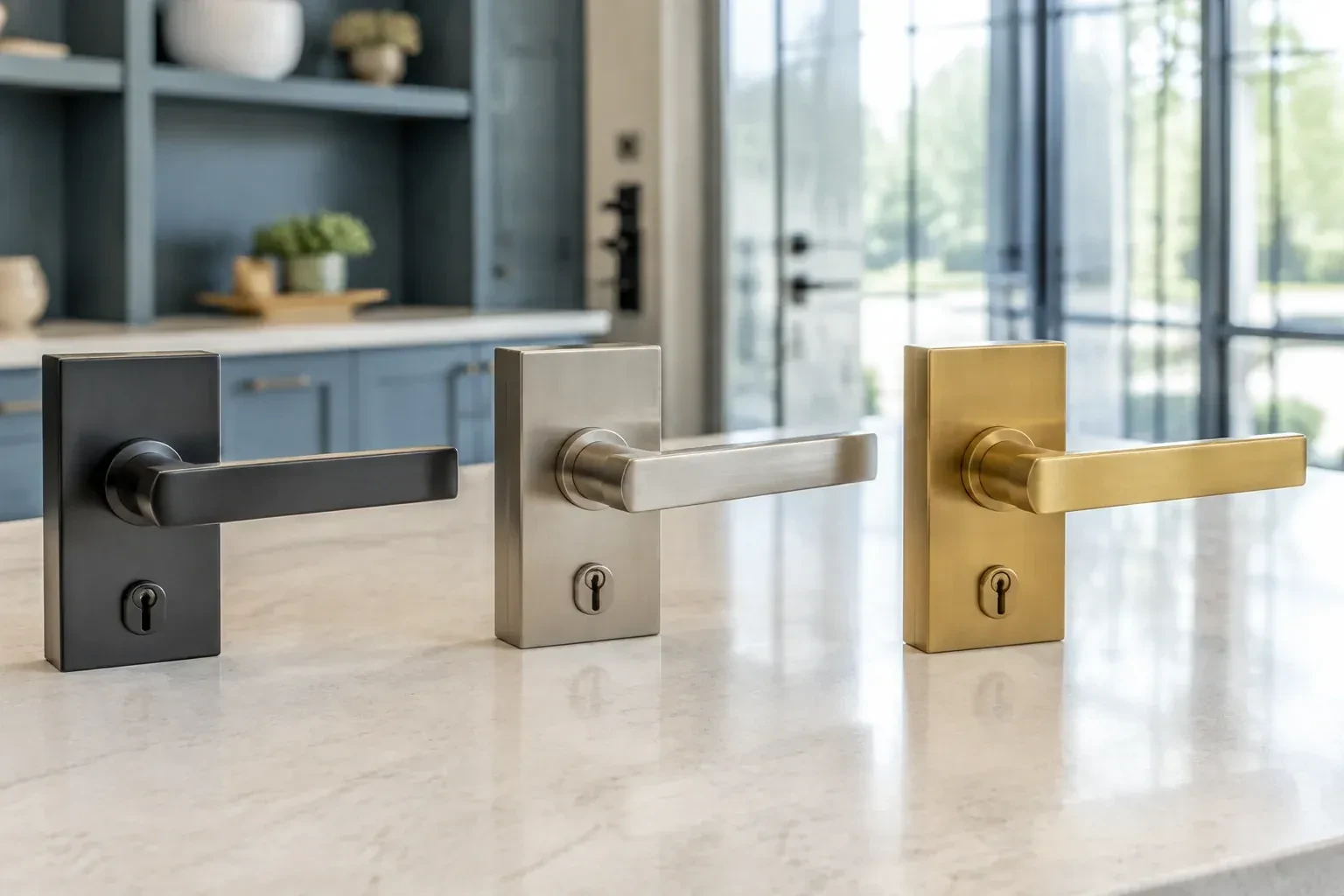
A mortise lock body, a heavy cylindrical lockset and a narrow-stile lock or hookbolt are priced differently as hardware and take different amounts of labour to fit, so the quote follows what the door's own construction requires.
What to have ready
- Do you want a master key system, an interchangeable core, or a stand-alone lock?
- Has the door recently been forced, damaged, or shown signs of a break-in?
- Is this one door, or part of a wider multi-door or multi-branch project?
Commercial-Grade Lock Replacement: questions
QuestionsWhat is the difference between a mortise lock and a cylindrical lockset?
A mortise lock has its whole mechanism, latch, deadbolt and sometimes a separate handle function, built into one case that sits inside a pocket cut into the door's edge. A cylindrical lockset is a bored-in unit, simpler to service, common on standard commercial and residential doors alike. Which one your door takes depends on how it was originally prepped, not on preference alone.
How does this service differ from a home lockout or residential rekey?
A home lockout or residential rekey is usually about one door and one household's keys. Commercial-grade lock replacement more often involves a system, several doors, a master key structure, and sometimes a fire or exit rule the door has to satisfy, so the assessment, the hardware selected and the record kept at the end are all built around managing that wider structure rather than a single lock.
How long does commercial-grade lock hardware typically last under heavy use?
It depends heavily on cycle count and how the door is treated day to day, but hardware graded for commercial duty is built to outlast the internal wear that sinks a residential lock on the same door. A delivery door opened hundreds of times a shift will still wear its hardware faster than a quiet office entrance, so grade and use should be matched from the start rather than assumed.
Related services
- Master Key System DesignA property manager taking over a small commercial building inherits a shoebox of keys with no labels and no chart.
- Access Control InstallationSomething went missing from the storeroom over a weekend, and when you ask who was in the building, the honest answer is anyone with a key.
- Panic & Exit HardwareA padlock went on the stockroom's back door years ago for security and nobody has thought about it since, until the walkthrough this week pointed out that the same door is the room's only other way out.